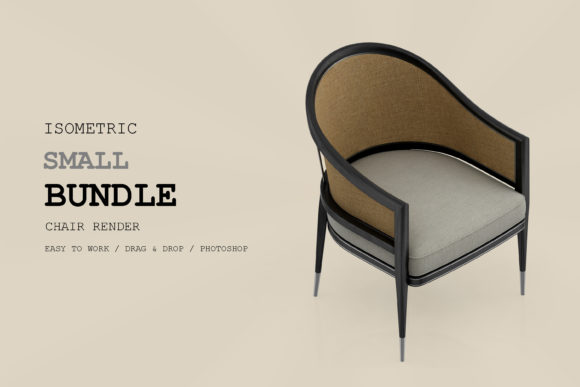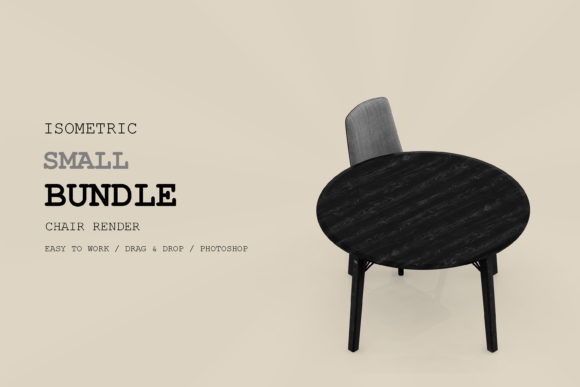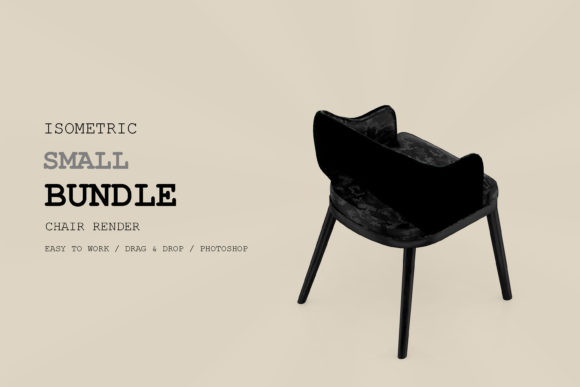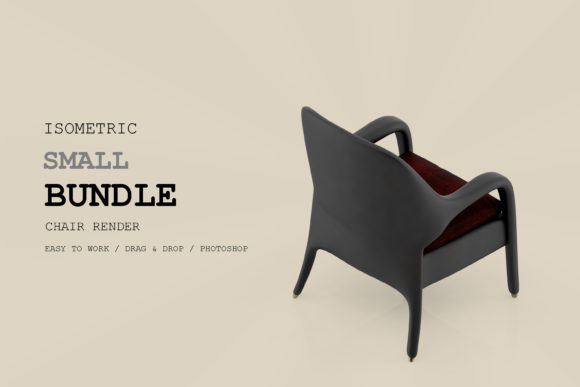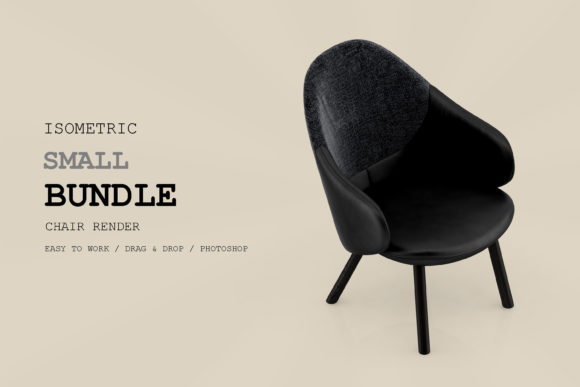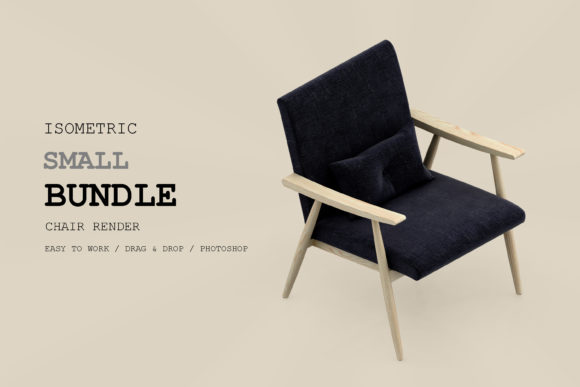
Isometric Chair 3D Render Pack 244
In the rapidly evolving landscape of digital design, visual clarity and efficiency are paramount. Whether you are a graphic designer crafting a brand identity, an architect presenting a concept, or a marketer preparing ad creatives for social media, the quality of your 3D assets can make or break a project. This is where specialized asset packs become indispensable tools in a creator’s workflow. Among these resources, the Isometric Chair 3D Render Pack 244 stands out as a versatile solution that bridges the gap between high-fidelity rendering and practical usability. Designed with precision, this pack offers more than just a static image; it provides a comprehensive toolkit for professionals who demand flexibility, resolution, and organizational clarity in their 3D projects.
The Evolution of Isometric Design in Modern Workflows
Isometric projection has long been a favorite among designers for its ability to represent three-dimensional objects in two dimensions without perspective distortion. Unlike traditional linear perspective, which converges at vanishing points, isometric views maintain parallel lines, creating a clean, technical, yet aesthetically pleasing look. This style has seen a resurgence in recent years, driven by the need for clear, scannable visuals in user interfaces, infographics, and digital advertising. However, creating these renders from scratch requires significant time, technical skill, and hardware resources. For many creators, especially freelancers and small business owners, outsourcing the creation of every single asset is not feasible.
This is why pre-made render packs like the Isometric Chair 3D Render Pack 244 have gained traction. They allow users to bypass the tedious process of modeling, texturing, lighting, and rendering while still achieving professional-grade results. The trend reflects a broader shift in creative practices toward "asset-first" workflows, where designers leverage high-quality existing elements to focus on composition, messaging, and strategy rather than reinventing the wheel. By using organized, layered files, creators can integrate complex 3D elements into flat designs seamlessly, maintaining a consistent visual language across various platforms.
Technical Specifications: Why Details Matter
Not all 3D assets are created equal. When evaluating a resource like the Isometric Chair 3D Render Pack 244, it is crucial to understand the technical specifications that contribute to its utility. One of the most critical features of this pack is its high resolution with DPI 300. In the world of print media, 300 DPI (dots per inch) is the gold standard for ensuring sharp, crisp output. Whether you are designing a brochure, a poster, or a large-format banner, low-resolution assets will appear pixelated and unprofessional upon close inspection. This pack ensures that the chair model retains its detail and texture integrity, regardless of how much it is scaled up or down.
Furthermore, the inclusion of organized layers and a separated background significantly enhances the asset's versatility. In raster editing software such as Adobe Photoshop, having distinct layers allows designers to isolate specific components of the chair. You might want to change the color of the upholstery, adjust the lighting on the legs, or remove shadows for a specific layout context. A separated background means the chair is already cut out, saving hours of manual masking work. This level of organization streamlines the editing process, allowing for rapid iteration and customization without compromising the structural integrity of the 3D model.
Separated Shadows and Realistic Integration
One of the subtle yet powerful aspects of this render pack is the separated shadow. Shadows are what ground an object in space, providing depth and realism. Without them, 3D objects can appear to float unnaturally, breaking the viewer's immersion. By separating the shadow layer from the main object, designers gain granular control over how the chair interacts with its environment. You can adjust the opacity, blur, or angle of the shadow to match the lighting conditions of your specific design. This feature is particularly useful in composite images where multiple elements need to coexist harmoniously under a unified light source.
The availability of a help file accompanying the pack further underscores its professional orientation. It serves as a guide for users, offering instructions on how to navigate the layers, adjust settings, and maximize the potential of the asset. This support system reduces the learning curve, making the pack accessible not only to experienced 3D artists but also to graphic designers and marketers who may be less familiar with complex 3D workflows but understand the value of high-quality visual assets.
Diverse Applications Across Industries
The versatility of the Isometric Chair 3D Render Pack 244 makes it suitable for a wide array of applications. Its utility extends far beyond simple decoration, serving functional roles in education, commerce, and architecture. Below are some key areas where this asset pack proves invaluable:
- School Projects: For students in design, architecture, or interior planning courses, this pack provides a realistic reference point. It allows them to create polished presentations and portfolios without needing advanced 3D modeling skills. The organized layers enable educational institutions to teach concepts of composition and color theory using real-world examples.
- Social Network Content: Social media algorithms favor engaging, high-quality visuals. An isometric chair render can be used in Instagram posts, Pinterest pins, or LinkedIn articles to illustrate topics related to home decor, furniture sales, or workspace ergonomics. The high resolution ensures the image looks crisp even on high-DPI mobile screens.
- Print Projects: From magazine layouts to catalog covers, print materials require vector-like clarity. With DPI 300, this pack meets the stringent requirements of professional printing services. Designers can incorporate the chair into brochures, flyers, and packaging designs with confidence, knowing the output will be sharp and detailed.
- Architecture Design: Architects often use isometric views to present spatial relationships in a way that is easy to understand for clients. Adding a furnished element like a chair helps visualize scale and proportion. The separated shadow and background features allow architects to place the chair within their own site-specific renders, enhancing the realism of their proposals.
- Blog and Website Content: Digital content creators constantly seek unique imagery to break up text and engage readers. Using a specialized asset like this pack can differentiate a blog post from generic stock photography. It adds a bespoke touch to web headers, sidebars, and article illustrations, improving the overall aesthetic appeal of the site.
- Advertisement: In competitive markets, visual distinction is key. Advertisements for furniture brands, interior design services, or even tech companies (using the chair as a metaphor for comfort or productivity) can benefit from the clean, modern look of isometric renders. The ability to customize colors via organized layers allows brands to align the asset with their specific color palettes and branding guidelines.
Practical Implications for Creators and Businesses
For freelancers and agencies, time is money. The efficiency gains offered by the Isometric Chair 3D Render Pack 244 translate directly into cost savings and faster turnaround times. Instead of spending days modeling a chair, setting up lights, and rendering multiple angles, a designer can import the pack and begin composing the final image almost immediately. This speed is crucial in fast-paced industries where trends change quickly and client deadlines are tight.
Moreover, the modular nature of the pack encourages experimentation. Designers can try different color combinations, material finishes, and lighting setups without committing to a full render cycle. This iterative process fosters creativity, allowing teams to explore more options and deliver higher-quality results to clients. For businesses, this means better visual communication, which can lead to increased engagement, higher conversion rates, and stronger brand recognition.
Looking Ahead: Sustainability in Digital Assets
As the digital design industry moves forward, there is a growing emphasis on sustainability and resource efficiency. Reusing and adapting high-quality assets reduces the computational energy required for rendering and minimizes waste. The Isometric Chair 3D Render Pack 244 supports this sustainable approach by providing a reusable, multi-purpose asset that can be adapted for numerous projects. By choosing such efficient tools, professionals contribute to a more eco-friendly digital ecosystem while maintaining high standards of visual excellence.
In conclusion, the Isometric Chair 3D Render Pack 244 represents a smart investment for anyone involved in visual communication. Its combination of high resolution, organized layers, separated backgrounds, and practical support features makes it a robust tool for a variety of applications. Whether you are working on a school project, a commercial advertisement, or an architectural visualization, this pack offers the flexibility and quality needed to succeed in today’s visually driven market. By leveraging such resources, creators can focus on what they do best: telling compelling stories through design.