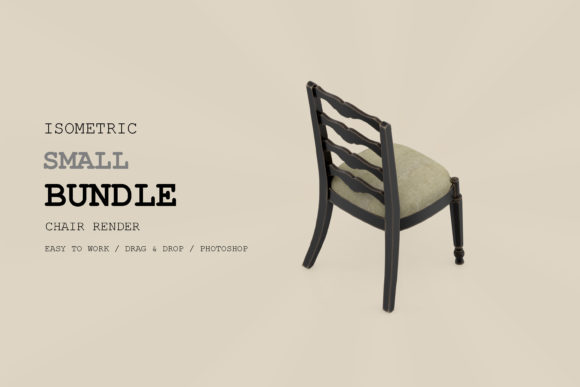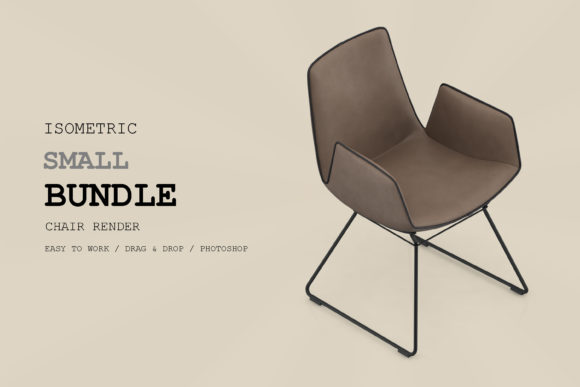
Evaluating Isometric Chair 3D Render Pack 153 for Professional and Educational Design Projects
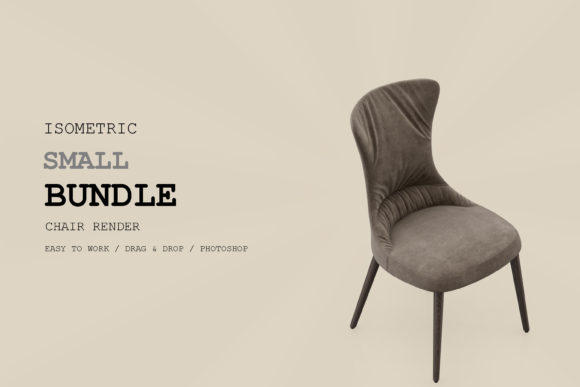
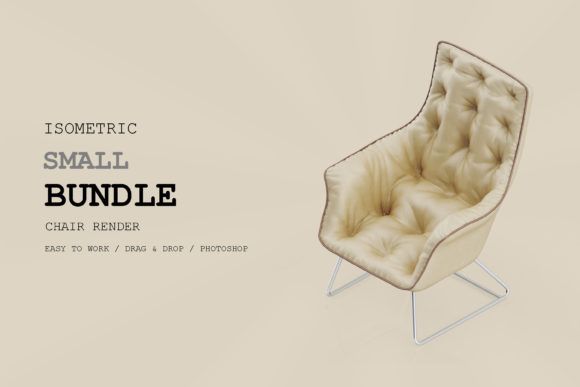
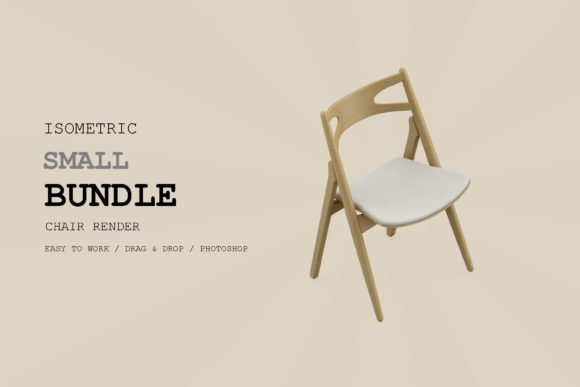
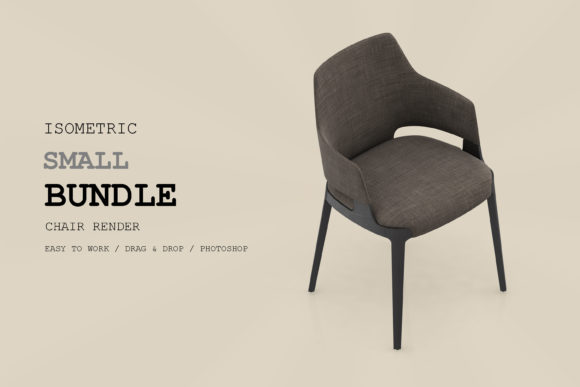
In the modern landscape of digital design, visual communication relies heavily on clarity, precision, and aesthetic appeal. Among the various styles used to convey spatial relationships and product details, isometric projection remains a cornerstone technique. It offers a unique three-dimensional perspective without the distortion of traditional linear perspective, making it ideal for technical illustrations, infographics, and conceptual designs. When selecting assets for such projects, designers often face a choice between creating custom models from scratch or utilizing pre-rendered packs. Isometric Chair 3D Render Pack 153 represents a specialized resource in this domain, offering high-fidelity visuals that cater to a wide array of professional and educational needs.
This evaluation explores the specific attributes of Render Pack 153, analyzing its technical specifications, versatility, and suitability for different workflows. By examining its features—such as separated backgrounds, organized layers, and high-resolution output—we can determine where it fits within the broader ecosystem of 3D design resources and how it compares to alternative approaches like manual modeling or generic stock imagery.
Technical Specifications and Workflow Efficiency
The primary value proposition of any 3D render pack lies in its usability. A common pain point for designers is acquiring images that require extensive post-processing to fit into a cohesive project. Isometric Chair 3D Render Pack 153 addresses this by providing assets that are ready for immediate integration while retaining flexibility for customization. The inclusion of a help file suggests a level of user support often missing in lower-tier digital products, guiding users through installation, layer management, and editing procedures.
One of the most significant technical advantages of this pack is the provision of separated background elements. In isometric design, the relationship between the subject (the chair) and the environment is crucial. Having the chair isolated allows designers to place it against custom gradients, patterns, or complex scene compositions without tedious masking work. This separation is further enhanced by the separated shadow feature. Shadows in isometric views must adhere to strict geometric rules to maintain realism; pre-calculated shadows save time and ensure consistency across multiple assets in a single composition.
Furthermore, the pack boasts organized layers. For professionals working in software like Adobe Photoshop or Illustrator, having distinct layers for different parts of the chair (legs, seat, backrest, cushions) allows for granular control over color, texture, and lighting adjustments. This contrasts sharply with flat raster images found in many free online libraries, which offer little to no editability. The ability to tweak individual components means that a designer can adapt a standard chair model to match a specific brand’s color palette or material preference without needing to re-render the entire asset.
Resolution and Print Readiness
A critical factor in determining the applicability of a digital asset is its resolution. Many web-focused 3D renders are optimized for screen display, typically at 72 DPI (dots per inch). However, commercial applications often require print-ready materials. Isometric Chair 3D Render Pack 153 specifies a resolution of DPI 300, which is the industry standard for high-quality printing. This specification opens up use cases that extend beyond the digital realm.
For instance, architects and interior designers may need to include isometric furniture layouts in printed brochures, client presentations, or physical portfolios. Low-resolution assets would appear pixelated and unprofessional in these contexts. By ensuring 300 DPI output, this pack supports both digital and print media, reducing the need for designers to source separate assets for different mediums. This dual-purpose capability is particularly valuable for small agencies or freelance consultants who manage budgets tightly and cannot afford to purchase multiple versions of the same asset.
Versatility Across Industries and Use Cases
The utility of Isometric Chair 3D Render Pack 153 spans several distinct sectors. Its clean, neutral aesthetic makes it adaptable to various stylistic requirements. Below are some key areas where this resource proves effective:
- Architecture Design: Architects frequently use isometric views to explain spatial concepts to clients who may not be familiar with technical blueprints. Chairs rendered in this style help visualize seating arrangements in lobbies, conference rooms, or residential spaces. The separated shadow and background features allow architects to integrate these chairs seamlessly into their own site-specific renders.
- School Projects and Education: In academic settings, students often need to create presentations or posters that require clear, engaging visuals. Using a high-quality, organized render pack allows students to focus on content and layout rather than struggling with complex 3D modeling software. The help file included with the pack serves as an additional learning tool for those new to graphic design software.
- Social Media and Digital Advertising: Social networks thrive on visually striking content. Isometric illustrations are popular in advertising because they convey information quickly and efficiently. The high resolution ensures that images look crisp on high-DPI screens (such as Retina displays), while the organized layers allow marketers to A/B test different colors or configurations rapidly.
- Blog and Web Content: Bloggers and website owners constantly seek unique graphics to break up text and enhance readability. Generic clip art can make a site feel dated, whereas professional 3D renders add a touch of sophistication. The separated background feature enables easy placement of these chairs into custom blog headers or infographic sections.
Comparison with Alternatives
When considering Isometric Chair 3D Render Pack 153, it is helpful to compare it with other common approaches to obtaining isometric visuals.
Custom 3D Modeling vs. Pre-Rendered Packs
The most direct alternative is hiring a 3D artist or learning to model the chair oneself. Custom modeling offers unlimited flexibility but comes with high costs and steep learning curves. It requires proficiency in software like Blender, Maya, or 3ds Max, along with significant time investment for rendering. In contrast, Render Pack 153 provides immediate access to polished visuals. While it limits the ability to change the fundamental geometry of the chair, the organized layers mitigate this by allowing surface-level customization. For projects with tight deadlines or limited budgets, the pre-rendered pack is often the more pragmatic choice.
Generic Stock Images vs. Specialized Render Packs
Stock image websites offer vast libraries of isometric icons and furniture. However, these are often inconsistent in style, lighting, and perspective. Mixing a chair from one stock site with a table from another can result in a disjointed visual narrative. Specialized packs like Render Pack 153 ensure consistency in artistic style, lighting direction, and shadow intensity. This cohesion is vital for professional branding and coherent design systems. Additionally, generic stock images rarely come with separated layers, forcing designers to rely on imperfect selection tools.
Vector Icons vs. High-Resolution Raster Renders
Some designers prefer vector-based isometric icons for their scalability. However, vectors can sometimes lack the depth and textural realism that 3D renders provide. Isometric Chair 3D Render Pack 153 occupies a middle ground, offering the detail and realism of 3D rendering with the usability of layered files. For applications requiring photorealism or subtle shading effects, raster renders are superior. For simple UI elements, vectors might suffice, but for marketing materials and architectural visualizations, the richness of a 300 DPI render pack is unmatched.
Limitations and Considerations
No resource is without limitations. Users should consider whether the specific style of the chairs in Render Pack 153 aligns with their project’s aesthetic. If a project requires highly stylized, cartoonish, or hyper-realistic furniture, this pack may not be the best fit. Additionally, while the layers are organized, they are still based on a fixed geometry. Designers looking to alter the structural form of the chair (e.g., changing the angle of the legs or the shape of the backrest) will find this difficult compared to working with native 3D model files (.obj or .blend).
Another consideration is the file format compatibility. While most professional design software supports the likely formats (PSD, AI, PNG), users should verify that their specific tools can handle the layer structures and transparency options provided. The inclusion of a help file is a positive indicator, but reviewing documentation before purchase is always advisable.
Conclusion: Making an Informed Choice
Isometric Chair 3D Render Pack 153 stands out as a robust solution for designers seeking high-quality, versatile, and editable isometric visuals. Its combination of high resolution, separated elements, and organized layers makes it suitable for a broad spectrum of applications, from digital advertising to print publications. While it may not replace the need for custom 3D modeling in all scenarios, it offers a compelling balance of quality and efficiency.
For professionals and students alike, the decision to use this pack should depend on the specific demands of the project. If the goal is to produce polished, consistent, and print-ready visuals quickly, this resource is highly recommended. However, if the project requires unique geometric modifications or a completely different artistic style, exploring custom modeling services or alternative asset libraries may be more appropriate. By understanding these tradeoffs, designers can leverage Render Pack 153 effectively to enhance their creative output.