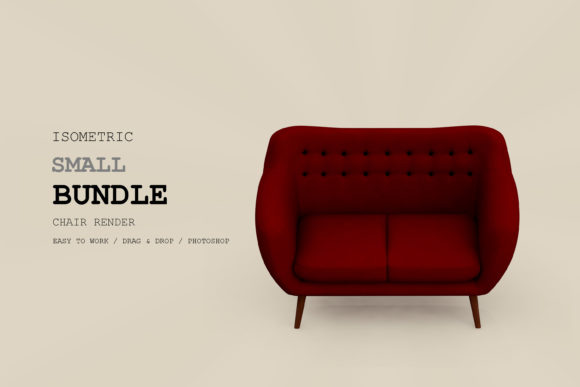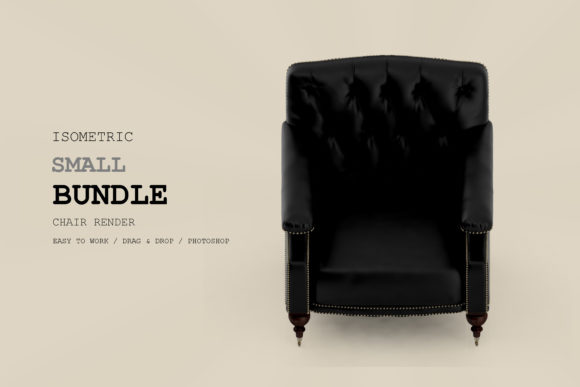
Isometric Armchair 3D Rendering Pac 128
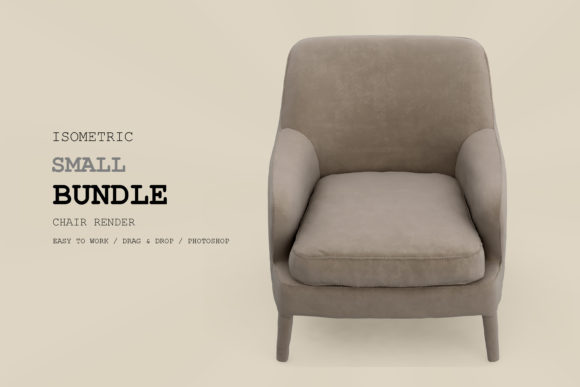
In the modern digital landscape, visual communication is no longer just an aesthetic choice; it is a functional necessity. Whether you are designing a user interface, preparing marketing materials for a small business, or illustrating a concept for an architectural proposal, the quality and flexibility of your source assets determine the efficiency of your workflow. This is where specialized 3D assets like Isometric Armchair 3D Rendering Pac 128 become critical tools rather than mere decorative elements. Unlike generic stock images, this specific asset pack is engineered for integration into complex design processes, offering structural integrity through organized layers, high-resolution output, and separation of elements.
Understanding how to leverage such an asset requires looking beyond its final appearance. It involves recognizing how it fits into the broader lifecycle of a project—from initial planning and sketching to final export and deployment. For professionals aged 20 to 50 who manage multiple streams of work, including freelancing, content creation, and business development, the ability to quickly adapt high-quality visuals without spending hours on modeling or texturing is a significant competitive advantage. The features of Isometric Armchair 3D Rendering Pac 128 are designed specifically to support this kind of agile, process-oriented workflow.
Technical Foundations for Workflow Efficiency
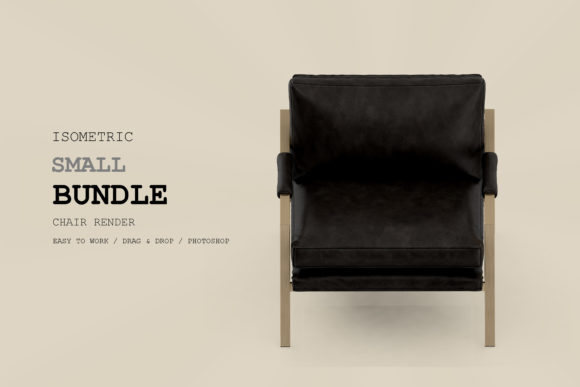
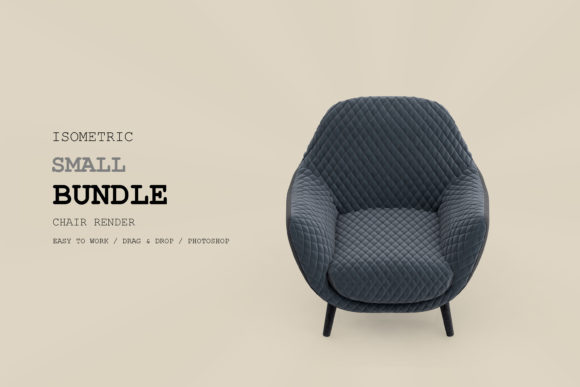
The utility of any digital asset is defined by its technical specifications. Isometric Armchair 3D Rendering Pac 128 stands out because it adheres to standards that facilitate seamless editing in professional software environments. The most notable feature is the inclusion of organized layers. In a typical design workflow, importing a flat image often means dealing with a single raster layer that offers little flexibility. If a client requests a color change or if the background needs adjustment, the designer is forced to start over or use destructive editing techniques. With organized layers, however, every component of the armchair—legs, cushions, fabric texture, and frame—is distinct. This allows designers to isolate specific parts for recoloring, scaling, or removal without affecting the rest of the model.
Furthermore, the asset provides a separated shadow. Shadows are often the hardest part of compositing to get right, as they require careful manipulation of opacity, blur, and angle to match the lighting environment of the scene. By providing a pre-rendered, separated shadow layer, this package removes a time-consuming step from the creative process. Designers can simply adjust the position and intensity of the shadow to match their specific scene’s lighting logic, ensuring realism without the computational cost of real-time ray tracing during the design phase.
Resolution is another critical factor. At DPI 300, the rendering meets the standard requirement for high-quality print production. Many digital-only assets are exported at 72 DPI, which appears crisp on screens but pixelates when printed. For entrepreneurs and marketers who need to transition between digital advertisements and physical collateral, having a single source file that works for both mediums eliminates the need for redundant rendering tasks. This dual-purpose capability supports a leaner operational model, reducing file management overhead and ensuring consistency across brand touchpoints.
Strategic Use Cases Across Industries
The versatility of Isometric Armchair 3D Rendering Pac 128 allows it to be integrated into diverse workflows. Its application is not limited to interior design portfolios; it serves as a foundational element in various professional and educational contexts.
Architecture and Interior Design
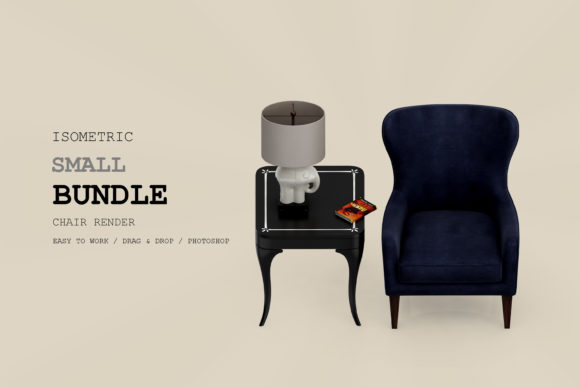
For architects and interior designers, visualization is key to client approval. During the conceptual phase, presenting a photorealistic isometric view helps clients understand spatial relationships better than abstract floor plans. Because the asset includes a separated background, designers can easily place the armchair into different room environments, testing how the furniture interacts with varying wall colors, flooring materials, and lighting conditions. This iterative process accelerates decision-making, allowing stakeholders to visualize outcomes before committing to purchases or construction changes.
E-Commerce and Digital Advertising
In the realm of online retail and advertising, product presentation directly influences conversion rates. Small business owners and e-commerce managers can utilize this asset to create lifestyle images for websites and social media campaigns. The high resolution ensures that product details remain sharp even when zoomed in on mobile devices. Moreover, the ability to modify the armchair’s color via organized layers means that a single asset can represent multiple SKUs (Stock Keeping Units). This reduces the need for extensive photoshoots, lowering production costs while maintaining a consistent visual identity across platforms like Instagram, Facebook, and Google Ads.
Education and Academic Projects
Educators and students benefit significantly from the clarity provided by isometric views. In school projects related to design, engineering, or art history, these renderings serve as clear reference points. The help file included with the package provides guidance on how to manipulate the layers, making it accessible even to users with intermediate technical skills. This lowers the barrier to entry for students who may not have advanced 3D modeling expertise but need to produce professional-looking presentations. The organized structure also teaches good file management habits, reinforcing best practices in digital asset organization.
Content Creation and Blogging
Blogger and publishers constantly seek unique visuals to break up text and engage readers. Generic clipart often feels dated or low-effort. Using a high-quality 3D rendering adds a layer of professionalism to blog posts, particularly those discussing home decor, technology setups, or productivity tools. The separated background allows for easy insertion into custom graphics or infographics, enabling creators to maintain a cohesive visual style throughout their content calendar. This consistency builds trust with the audience, signaling attention to detail and quality.
Integration and Implementation Tips
To maximize the value of Isometric Armchair 3D Rendering Pac 128, it is essential to integrate it into your existing toolchain effectively. Here are practical considerations for implementation:
- Software Compatibility: Ensure your design software (such as Adobe Photoshop, Illustrator, or Affinity Designer) supports the file formats provided. Most layered PSD files are widely compatible, but checking version requirements beforehand prevents compatibility issues.
- Asset Organization: Adopt a naming convention for your project folders that mirrors the layer structure of the asset. When working with separated layers, keeping track of which file corresponds to which part of the chair is crucial for long-term usability. Create a master file that serves as the template, and duplicate it for each new project variation.
- Lighting Consistency: Even with a separated shadow, the overall lighting of your scene must align with the direction of the shadow cast by the armchair. Before placing the asset, establish a light source in your composition. Adjust the shadow layer’s opacity and blending mode to match the ambient light levels of your background.
- Scalability Planning: While the asset is high-resolution, always work non-destructively. Use smart objects in Photoshop or vector-based adjustments where possible. This allows you to scale the armchair up or down without losing quality, accommodating different layout requirements from web banners to large-format prints.
Long-Term Value and Quality Control
Investing in high-quality assets like Isometric Armchair 3D Rendering Pac 128 pays dividends over time. In a workflow characterized by rapid iteration and frequent updates, having reliable, editable sources reduces friction. Instead of hunting for new images for every minor campaign tweak, designers can reuse the same core asset with minimal effort. This consistency not only saves time but also strengthens brand recognition, as the visual language remains uniform across all communications.
Quality control is also enhanced by the structured nature of the file. Organized layers make it easier to conduct peer reviews or client feedback sessions. Stakeholders can point to specific components, and designers can address those areas directly without disturbing unrelated elements. This precision fosters clearer communication and faster approval cycles.
Ultimately, the goal of using such specialized resources is to streamline the path from idea to execution. By removing technical bottlenecks related to rendering, texturing, and compositing, creators can focus on the strategic aspects of their work—storytelling, user experience, and market positioning. Isometric Armchair 3D Rendering Pac 128 exemplifies this approach, offering a robust, flexible, and professional-grade solution that adapts to the dynamic needs of modern digital workflows. Whether used for a one-off school project or as part of a sustained commercial strategy, its features support a disciplined, efficient, and high-quality output.