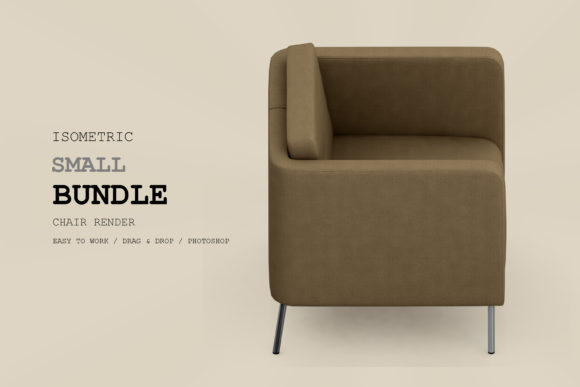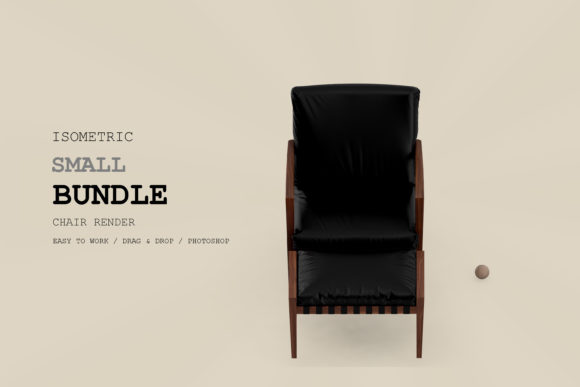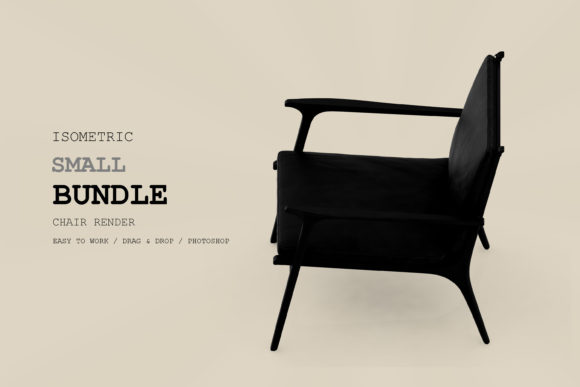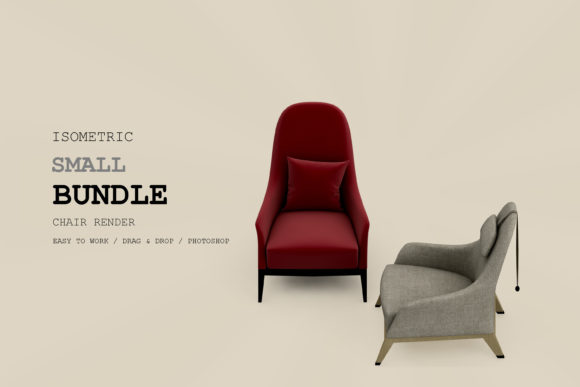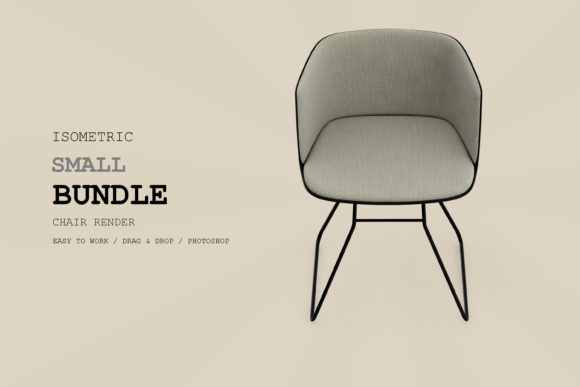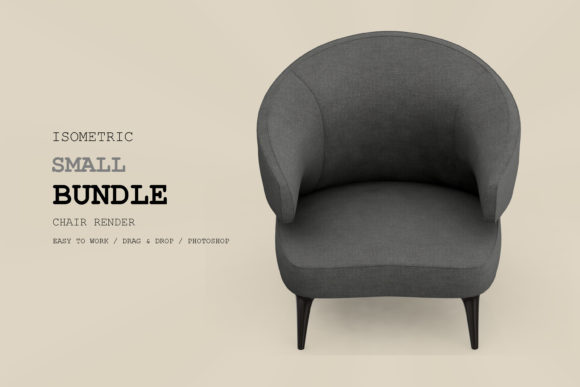
Isometric Armchair 3D Rendering Pack 69
In the rapidly evolving landscape of digital design and visual communication, the demand for high-quality, versatile assets has never been higher. Designers, architects, marketers, and content creators are constantly seeking tools that streamline their workflow without compromising on aesthetic quality. Enter the Isometric Armchair 3D Rendering Pack 69, a specialized resource designed to meet these exact needs. This pack is not merely a collection of images; it is a comprehensive solution for professionals who require precision, flexibility, and clarity in their visual projects.
The modern creative process relies heavily on the ability to adapt visuals across multiple platforms. A single image might need to serve as a thumbnail for a social media post, a detailed element in an architectural presentation, or a crisp graphic in a printed brochure. The challenge lies in maintaining consistency and quality across all these formats. Isometric Armchair 3D Rendering Pack 69 addresses this challenge by providing a robust set of features that ensure your designs remain sharp, organized, and ready for any medium.
Understanding the Core Features
What sets this rendering pack apart from generic clipart or low-resolution stock photos is its technical foundation. Each asset within the pack is crafted with professional standards in mind, ensuring that users can manipulate and integrate them seamlessly into complex compositions. Let us explore the key features that make this pack an indispensable tool for serious creators.
Separated Background and Organized Layers
One of the most significant time-savers in digital design is the ability to isolate subjects from their backgrounds without laborious manual cutting. With a separated background, the armchair stands out clearly against a transparent or neutral backdrop, allowing designers to place it anywhere within a scene with ease. However, isolation is only half the battle. The true power lies in the organized layers. In Photoshop or similar software, having well-structured layers means you can adjust individual components—such as the cushion texture, the leg material, or the lighting effects—without affecting the rest of the object. This level of control is crucial for creating realistic composites where lighting and perspective must match perfectly.
High Resolution and DPI 300
Resolution is the backbone of print-ready design. Many online assets suffer from pixelation when scaled up, ruining the professional look of a project. Isometric Armchair 3D Rendering Pack 69 boasts high resolution capabilities with a standard DPI (dots per inch) of 300. This specification is the industry gold standard for printing. Whether you are designing a large-format poster, a magazine spread, or a business card, assets at 300 DPI will render with crisp edges and smooth gradients. For web use, these files can be easily downscaled while retaining their integrity, ensuring that your digital content looks as good on a smartphone screen as it does on a billboard.
Separated Shadow and Help File
Lighting and shadows define realism in 3D rendering. A floating object often looks artificial, detracting from the overall quality of the design. The inclusion of a separated shadow allows designers to adjust the opacity, blur, and angle of the shadow independently of the armchair itself. This feature enables precise matching of lighting conditions between different elements in a composite image. Furthermore, the pack includes a help file. While many assume 3D assets are intuitive, understanding how to best utilize specific layer structures or recommended color profiles can significantly enhance the final output. This documentation ensures that even less experienced users can achieve professional results quickly.
Practical Applications Across Industries
The versatility of Isometric Armchair 3D Rendering Pack 69 makes it suitable for a wide array of applications. Its utility extends beyond simple decoration, serving as a functional component in various professional workflows.
- Architecture Design: Architects and interior designers frequently use isometric views to present space planning concepts. An isometric armchair provides a clear, unobstructed view of furniture placement, helping clients visualize scale and proportion in a room layout without the distortion of perspective lines.
- School Projects and Education: For students in design, architecture, or marketing courses, this pack offers a high-quality starting point for assignments. It eliminates the need to model basic furniture from scratch, allowing students to focus on composition, color theory, and narrative storytelling in their presentations.
- Social Network and Blog Content: In the age of visual-first platforms like Instagram, Pinterest, and LinkedIn, engaging graphics drive traffic. Isometric illustrations are trendy because they offer a clean, modern aesthetic that stands out in crowded feeds. Using pre-rendered assets ensures that blog posts and social updates look polished and consistent with brand identity.
- Print Projects: From brochures to catalogues, print media demands high fidelity. The 300 DPI resolution ensures that text accompanying the armchair renders sharply alongside the graphic. Advertisers can use these assets to showcase furniture products in lifestyle settings, enhancing the appeal of home decor brands.
- Website and Advertisement: Web designers use isometric icons and illustrations to create interactive landing pages or informative infographics. The separated layers allow for dynamic hover effects or animations, increasing user engagement. Similarly, advertisers can composite these chairs into diverse environments—living rooms, offices, or studios—to target specific demographics.
Evolution of Visual Trends and User Expectations
The shift towards isometric design is not accidental. It reflects a broader trend in user experience (UX) and visual communication where clarity and simplicity are paramount. Traditional flat design can sometimes lack depth, while hyper-realistic 3D can feel overwhelming or computationally expensive. Isometric design strikes a balance, offering a pseudo-3D perspective that is easy to understand and visually appealing.
Furthermore, the modern consumer expects seamless experiences across devices. A marketer launching a campaign needs assets that work equally well on a desktop website and a mobile app. The high-resolution nature of this pack supports this cross-platform necessity. Additionally, the rise of remote work and freelance culture has increased the pool of non-designers creating content. Tools that simplify complex tasks, such as providing organized layers and help files, empower a wider audience to produce professional-grade work. This democratization of design quality is reshaping how businesses communicate, making visual polish accessible to startups and small businesses alike.
Strategic Recommendations for Users
To get the most out of Isometric Armchair 3D Rendering Pack 69, consider integrating it into your workflow strategically. Start by exploring the organized layers to understand the structure of the asset. Experiment with the separated shadow to see how adjusting its properties changes the perceived weight and position of the chair. This hands-on approach helps build familiarity, reducing the learning curve for future projects.
For architects and interior designers, use the isometric view to create "before and after" comparisons or to highlight specific furniture choices in a renovation plan. For bloggers and social media managers, leverage the separated background to create custom scenes that align with current events or seasonal themes. The flexibility of the asset allows for rapid iteration, enabling you to test different visual narratives without starting from scratch.
It is also worth noting the importance of consistency. By using a standardized pack like this for recurring projects, you establish a visual language that reinforces brand recognition. Whether it is a series of educational videos or a quarterly marketing report, having a library of high-quality, compatible assets ensures that your output remains cohesive over time.
Conclusion
Isometric Armchair 3D Rendering Pack 69 represents more than just a decorative element; it is a strategic asset for anyone involved in visual communication. Its combination of high resolution, organized layers, and practical features like separated shadows and help files makes it a valuable addition to any designer’s toolkit. As the demand for high-quality, adaptable content continues to grow, resources that save time and enhance creativity will become increasingly essential. By leveraging this pack, professionals and hobbyists alike can elevate their projects, meeting the high expectations of today’s visually literate audiences with confidence and precision.