Isometric Chair 3D Render Pack 154: A Comprehensive Evaluation for Designers
In the modern digital landscape, visual communication is paramount. Whether designing a website, preparing marketing materials, or illustrating architectural concepts, high-quality imagery is essential. For designers seeking efficiency without sacrificing aesthetic appeal, pre-made 3D asset packs have become a staple in professional workflows. Among these resources, the Isometric Chair 3D Render Pack 154 stands out as a versatile tool for creating clean, technical, and visually engaging compositions. This article evaluates the pack’s features, potential use cases, and practical considerations to help you determine if it aligns with your specific project requirements.
Understanding the Product Specifications
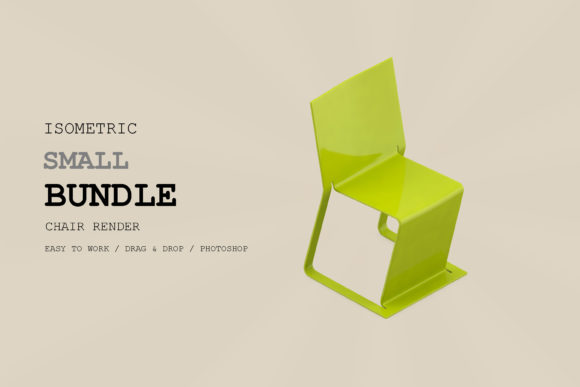
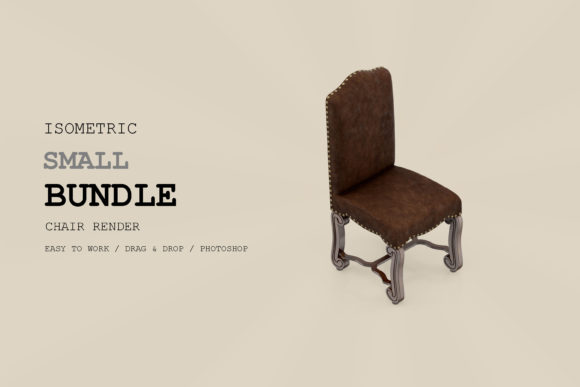
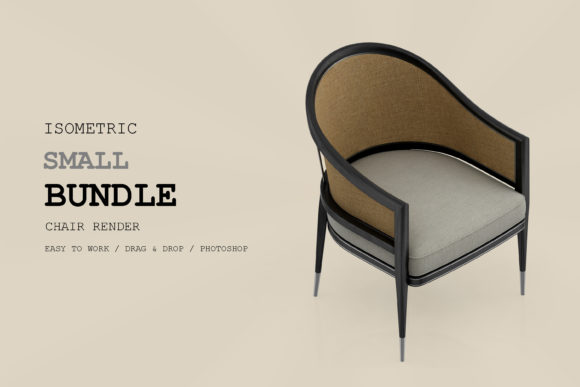
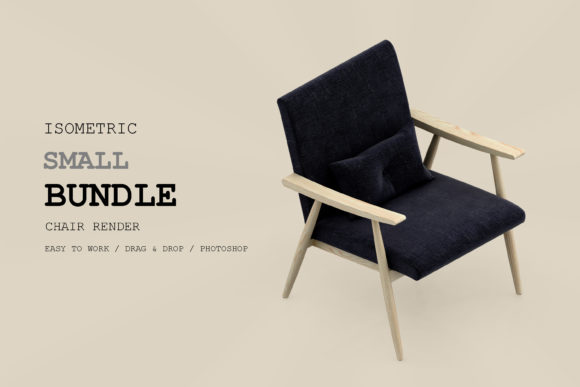
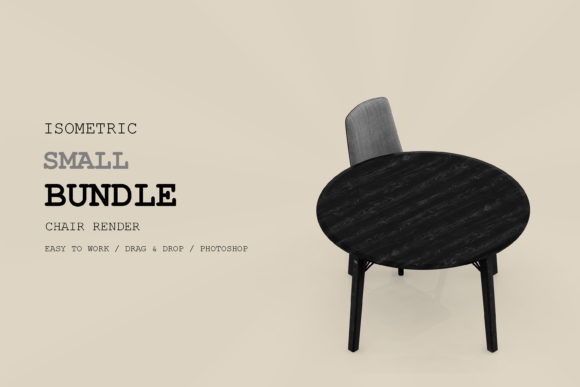
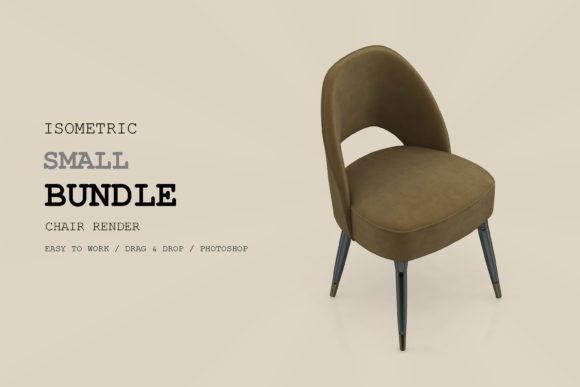
To make an informed decision, it is crucial to understand what exactly constitutes the Isometric Chair 3D Render Pack 154. At its core, this is a collection of high-resolution 3D renders depicting chairs from an isometric perspective. Isometric projection is a method of visually representing three-dimensional objects in two dimensions, where the three coordinate axes appear equally foreshortened and the angle between any two of them is 120 degrees. This style is widely favored in infographics, user interface design, and technical illustrations because it provides a clear sense of depth and structure without the distortion associated with perspective rendering.
The pack is distinguished by several key technical specifications that cater to professional standards:
- High Resolution and DPI 300: The assets are rendered at 300 DPI, ensuring they remain crisp and legible even when printed on physical media such as brochures, posters, or business cards. This resolution eliminates pixelation issues common in lower-quality web-only graphics.
- Organized Layers: Each render comes with separated layers. This allows designers to isolate specific components of the chair, adjust colors, or modify elements within graphic design software like Adobe Photoshop or Illustrator. This level of control significantly reduces post-processing time.
- Separa ted Shadow: The inclusion of a separated shadow layer is a critical feature for integration. It enables users to place the chair onto any background while maintaining realistic lighting and grounding, avoiding the "floating object" effect that can detract from professional quality.
- Separa ted Background: The chairs are presented against a neutral or transparent background, facilitating easy extraction and placement into new compositions.
- Help File: Documentation is included to guide users through file formats, layer structures, and recommended workflows, reducing the learning curve for those unfamiliar with complex PSD or AI files.
Why Designers Are Interested in Isometric Assets
The demand for isometric illustrations has grown steadily across various industries. Unlike photorealistic images, which can sometimes feel too literal or cluttered, isometric art offers a stylized, abstract representation that is easier for audiences to digest quickly. This makes it particularly effective for explaining processes, showcasing product features, or breaking down complex data.
For professionals working in architecture, interior design, or furniture retail, having a library of standardized isometric views allows for rapid prototyping of room layouts. Instead of building a full 3D model from scratch for every minor variation, designers can drag and drop pre-rendered elements like the chairs in Pack 154 into their scenes. This approach balances speed with visual fidelity, addressing one of the most significant bottlenecks in creative production: time management.
Practical Applications and Use Cases
The versatility of Isometric Chair 3D Render Pack 154 makes it suitable for a wide array of applications. Below are some of the most common scenarios where this resource proves valuable.
Architecture and Interior Design
Architects often need to present floor plans or spatial arrangements to clients who may not be familiar with reading traditional blueprints. Isometric views provide a more intuitive understanding of space. By incorporating high-quality furniture renders, designers can create compelling visualizations that highlight material textures and spatial relationships. The organized layers allow architects to swap out chair models to test different interior styles without needing to re-render entire scenes.
Advertising and Marketing
In the realm of digital advertising, attention spans are short. Infographics and social media ads benefit greatly from the clean lines and structured nature of isometric art. Furniture brands can use these renders to showcase product catalogs in a unified visual language. The 300 DPI resolution ensures that these assets perform well in both digital banners and high-quality print advertisements, maintaining brand consistency across channels.
School Projects and Educational Materials
Students in design, architecture, or marketing courses often struggle with the technical barriers of 3D modeling. Using pre-made assets allows them to focus on composition, color theory, and layout rather than spending hours on geometry and lighting. The help file included with the pack further supports educational settings by providing clear instructions on how to manipulate the files, making it an excellent teaching tool for introductory graphic design classes.
Blogs and Websites
Content creators looking to enhance blog posts with custom visuals can benefit from this pack. Custom illustrations tend to perform better than stock photos because they are unique to the brand. Since the backgrounds are separated, bloggers can easily integrate these chairs into branded templates or match them to specific color schemes using the organized layers, ensuring the content feels cohesive and professionally designed.
Evaluating Benefits and Tradeoffs
While the Isometric Chair 3D Render Pack 154 offers numerous advantages, it is important to weigh these against potential limitations to ensure it meets your needs.
Benefits
The primary benefit is efficiency. Creating a single high-quality isometric render from scratch can take hours, even for experienced 3D artists. This pack provides immediate access to polished assets, allowing designers to complete projects faster. The separation of shadows and layers adds significant flexibility, enabling customization that goes beyond simple copy-pasting. Furthermore, the high resolution ensures longevity; assets purchased today will remain usable for future print campaigns without quality degradation.
Tradeoffs and Considerations
The main tradeoff is originality. Because these are pre-made assets, there is a risk that other designers may use similar elements, potentially leading to visual repetition across different brands. Additionally, while the layers are organized, they may not offer the granular control of a native 3D file (such as .obj or .blend). If a designer needs to drastically alter the shape of the chair, they would still require 3D modeling skills, limiting the utility of the pack to compositional changes rather than structural ones.
Another consideration is compatibility. While most major design software supports the file types typically included in such packs (PSD, AI, PNG), users should verify that their specific version of software is compatible with the layer structures provided. The inclusion of a help file mitigates this risk, but it is worth checking before purchase.
When to Choose Alternatives
There are situations where this pack might not be the optimal choice. If your project requires highly specific, non-standard furniture shapes that do not resemble the models in Pack 154, you may find the selection limited. In such cases, commissioning custom 3D modeling or searching for a broader furniture asset library might be more appropriate.
Similarly, if your workflow relies entirely on real-time 3D rendering engines (like Unreal Engine or Unity) for interactive experiences, static image renders may not integrate seamlessly. For interactive projects, native 3D models with optimized poly counts would be a superior investment. However, for static design, illustration, and marketing purposes, the Isometric Chair 3D Render Pack 154 remains a strong contender due to its balance of quality, usability, and resolution.
Conclusion
The Isometric Chair 3D Render Pack 154 is a robust resource for designers seeking to elevate their visual communications with clean, professional-grade isometric imagery. Its high resolution, organized layers, and separated shadows make it adaptable to a wide range of industries, from architecture to digital marketing. While it may not replace the need for custom 3D modeling in all scenarios, it serves as an invaluable tool for enhancing productivity and visual consistency. For professionals looking to streamline their workflow while maintaining high aesthetic standards, this pack represents a practical and effective addition to their design toolkit.