Isometric Chair 3D Render Pack 185
In the modern digital landscape, visual communication is paramount. Whether designing a user interface for a mobile application, creating marketing materials for an e-commerce platform, or illustrating concepts for an architectural presentation, the quality and consistency of imagery significantly impact user engagement and comprehension. Among the various styles available, isometric projection remains a popular choice due to its ability to convey depth and spatial relationships in a two-dimensional format without the distortion of perspective. For designers seeking high-quality assets that adhere to these principles, the Isometric Chair 3D Render Pack 185 offers a specialized solution. This article evaluates the features, applications, and considerations associated with this specific render pack to help professionals determine if it aligns with their project requirements.
Understanding the Product: Isometric Chair 3D Render Pack 185
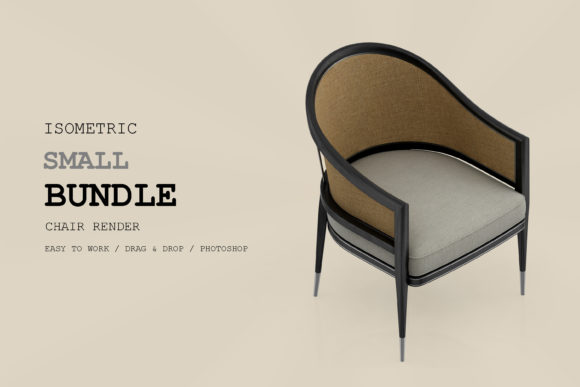
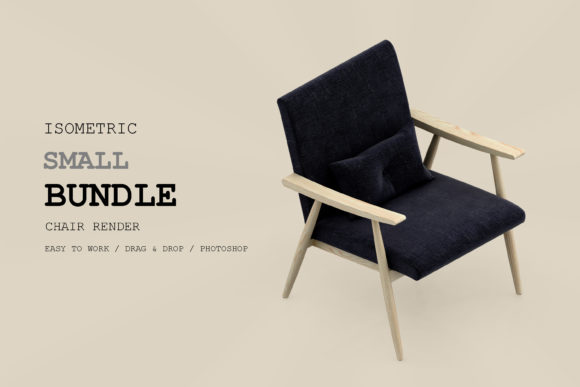
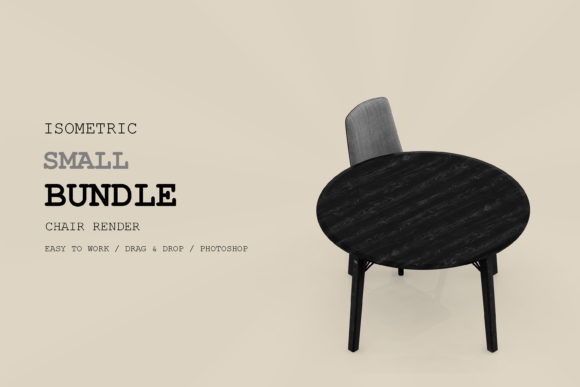
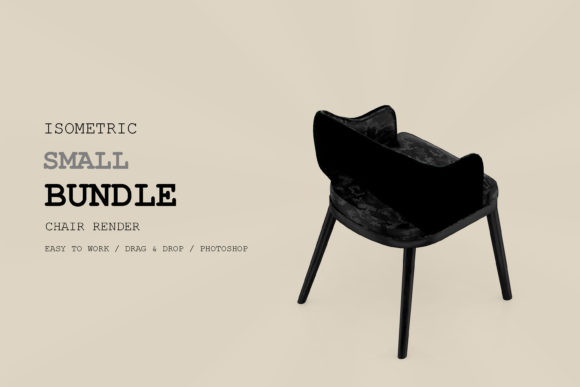
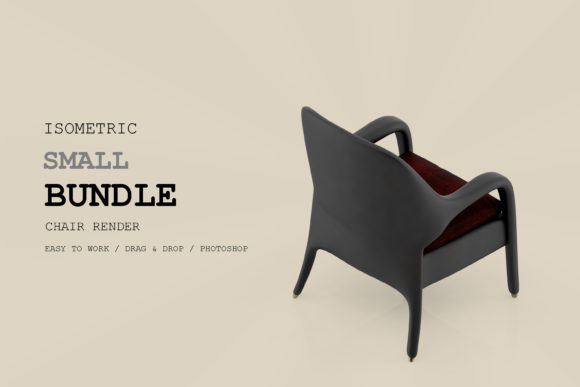
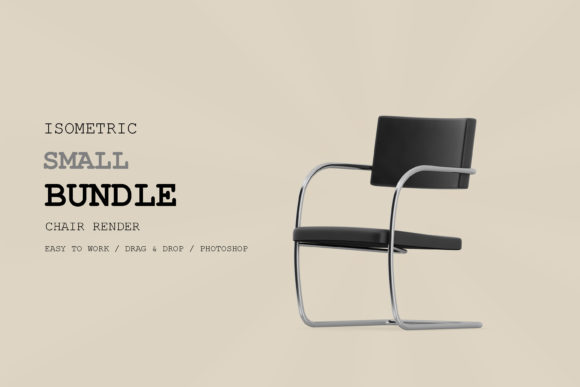
The Isometric Chair 3D Render Pack 185 is a curated collection of three-dimensional chair models rendered in an isometric style. Unlike traditional perspective renders that use vanishing points to create depth, isometric projections maintain parallel lines, resulting in a clean, technical, and highly organized aesthetic. This particular pack distinguishes itself through several key technical specifications designed to facilitate ease of use in professional design workflows.
A primary feature of this pack is its organization. The files are structured with separated layers, allowing designers to isolate specific components of the chair—such as the legs, seat cushion, backrest, or armrests—independently. This level of granularity is crucial for customization, enabling users to modify colors, textures, or structural elements without having to re-render the entire model from scratch. Additionally, the inclusion of a separated shadow layer ensures that lighting effects can be adjusted post-production, providing flexibility in how the object integrates into different backgrounds.
Furthermore, the pack is delivered in high resolution with a DPI (dots per inch) setting of 300. This specification is critical for print media, ensuring that the images remain crisp and clear even when scaled up for large-format outputs such as posters, brochures, or exhibition displays. The availability of a version with a separated background further enhances versatility, allowing for seamless integration into diverse design compositions without the need for tedious manual masking.
Why Designers Seek Isometric Assets
Interest in asset packs like the Isometric Chair 3D Render Pack 185 often stems from the need for efficiency and consistency in design projects. Creating 3D models from scratch requires significant time, technical expertise in software such as Blender, Maya, or Cinema 4D, and rendering power. By utilizing pre-made, high-quality renders, designers can bypass the initial modeling phase and focus on composition, layout, and messaging.
Isometric illustrations are particularly favored in UI/UX design, infographics, and educational materials because they provide a neutral, non-distracting view of objects. They allow viewers to understand the form and function of an item clearly. Chairs, being ubiquitous furniture items, are common subjects in interior design, office supply catalogs, and lifestyle blogs. A standardized set of chair renders ensures visual harmony across a brand’s collateral, reinforcing brand identity through consistent stylistic choices.
Practical Applications and Use Cases
The versatility of the Isometric Chair 3D Render Pack 185 makes it suitable for a wide array of industries and platforms. Below are some of the most common scenarios where this asset pack adds value:
- Architecture and Interior Design: Architects and interior designers often use isometric views to present space planning concepts to clients. These renders can be used to visualize how specific furniture pieces fit within a room layout, helping clients make informed decisions about procurement and arrangement.
- E-Commerce and Advertising: Online retailers selling furniture benefit greatly from high-resolution, isolated product images. The separated background feature allows for easy placement on white or branded backgrounds, which is a standard requirement for major marketplaces like Amazon or Etsy. In advertising, these renders can be combined with text overlays to highlight features such as ergonomic support or material quality.
- Social Media and Digital Marketing: Content creators and social media managers frequently use isometric graphics to create engaging posts, stories, and banners. The clean aesthetic of isometric chairs translates well to mobile screens, capturing attention in crowded feeds. The high resolution ensures that the images look sharp on high-density displays.
- Education and School Projects: Students in design, architecture, or art programs may use these assets for presentations and portfolios. The organized layers provide an opportunity to study the construction of 3D models and learn about layer management in graphic design software.
- Blogging and Web Design: Bloggers writing about home decor, office setups, or productivity tools can use these images to break up text and illustrate points visually. Website designers might incorporate them into landing pages to add visual interest without slowing down load times, provided the files are optimized correctly.
Evaluating Benefits and Tradeoffs
When considering the Isometric Chair 3D Render Pack 185, it is important to weigh the benefits against potential limitations to ensure it meets your specific needs.
Benefits:
- Time Efficiency: Using pre-rendered assets significantly reduces production time compared to modeling and rendering from scratch.
- High Quality: With a DPI of 300 and high-resolution output, the assets are suitable for both digital and print media.
- Flexibility: Separated layers and shadows allow for extensive customization and compositing.
- Consistency: A unified pack ensures that all visual elements share the same style, lighting, and scale.
Tradeoffs and Considerations:
- Limited Customization Depth: While layers are separated, the underlying geometry is fixed. Users cannot alter the fundamental shape or structure of the chair beyond what the layer separation allows. If a unique chair design is required, this pack may not be sufficient.
- File Size: High-resolution images with multiple layers can result in large file sizes, which may require robust hardware for editing and careful optimization for web use.
- Style Specificity: Isometric style is distinct and may not suit every brand identity. Brands seeking photorealistic or abstract artistic styles might find this pack too rigid or technical.
Decision-Making Insights
To determine if the Isometric Chair 3D Render Pack 185 is the right choice, consider the following questions:
- Do you need print-ready assets? If your project involves physical printing, the 300 DPI resolution is a strong advantage. Ensure your printer supports high-DPI inputs.
- Is customization required? If you need to change the color or minor details, the separated layers are beneficial. However, if you need to change the chair’s design entirely, you might need 3D source files rather than just renders.
- What is your workflow? Are you proficient in using layer masks and compositing tools? The value of this pack is maximized by users who can effectively manipulate individual layers.
- Does the style fit your brand? Review your existing visual assets. Does the clean, geometric nature of isometric design complement your current branding, or would it clash?
Alternatives to Consider
If the Isometric Chair 3D Render Pack 185 does not fully meet your needs, there are alternative approaches to consider. For projects requiring extreme realism, purchasing photorealistic 3D models with source files (e.g., .obj, .fbx) allows for complete control over lighting and environment but demands higher technical skill. For simpler projects, vector-based isometric icons available in SVG format offer scalability without the weight of raster images, though they lack the texture and depth of 3D renders. Additionally, hiring a freelance 3D artist may be cost-effective for one-off, highly customized needs, whereas asset packs are more economical for recurring or bulk content creation.
Conclusion
The Isometric Chair 3D Render Pack 185 represents a practical resource for designers, marketers, and educators looking to enhance their visual content with high-quality, versatile isometric imagery. Its combination of high resolution, organized layers, and separated shadows makes it a valuable tool for projects ranging from school assignments to commercial advertisements. By understanding its strengths and limitations, users can make informed decisions about whether this pack aligns with their creative goals and technical requirements. Ultimately, the decision rests on balancing the need for speed and consistency with the desire for unique, customizable design elements.