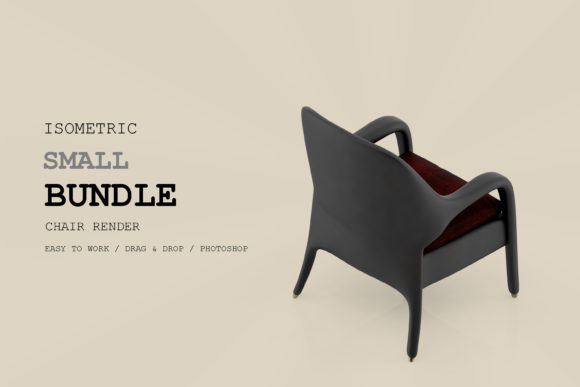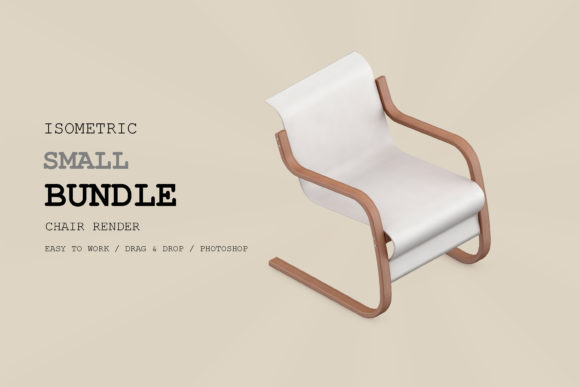
Isometric Chair 3D Render Pack 25
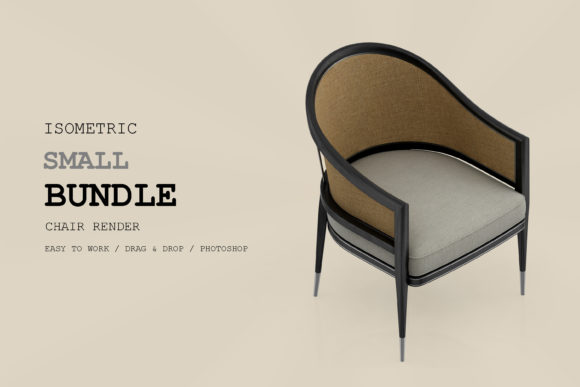
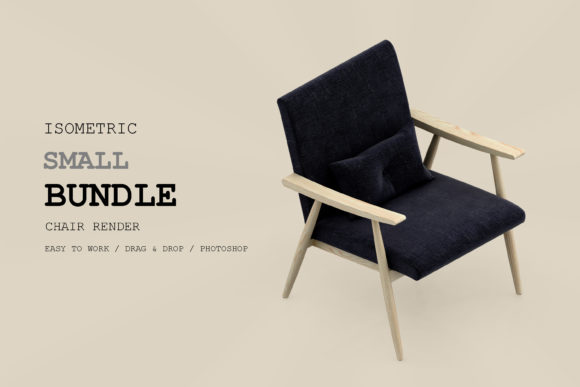
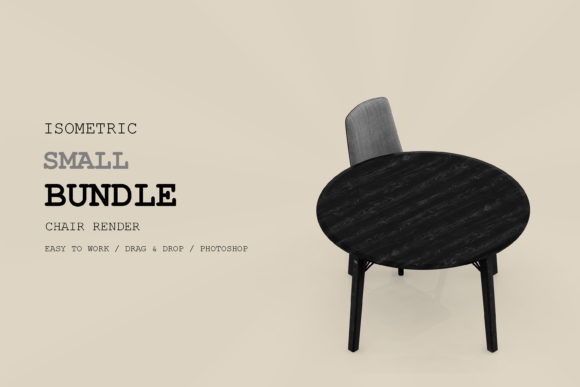
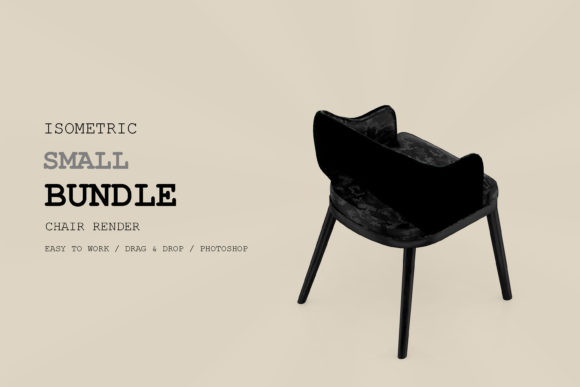
In the landscape of digital design, consistency is often the hardest metric to achieve. Whether you are building a brand identity, illustrating a technical manual, or creating content for social media, maintaining a unified visual language requires precision. This is where specialized asset packs become indispensable tools in a designer’s workflow. The Isometric Chair 3D Render Pack 25 represents a significant step forward in providing high-fidelity, ready-to-use assets that integrate seamlessly into complex projects. Unlike generic clip art, this pack offers a structured approach to isometric illustration, designed specifically for professionals who demand quality, organization, and flexibility.
The core value of this resource lies not just in the images themselves, but in how they are delivered. With high-resolution outputs at 300 DPI, organized layers, and separated backgrounds, the pack removes the tedious technical barriers that often slow down creative processes. For educators, marketers, architects, and freelancers, these features translate directly into time savings and higher production standards. Understanding how to leverage these assets effectively requires looking beyond the final image and examining the underlying structure of the files.
Technical Specifications and Workflow Integration
Before diving into specific use cases, it is essential to understand the technical foundation of the Isometric Chair 3D Render Pack 25. The inclusion of a high resolution (300 DPI) ensures that these graphics are suitable for both screen-based media and physical print materials. In professional workflows, scaling issues are a common pitfall; low-resolution assets blur when enlarged for posters or brochures. By starting with a 300 DPI source, designers can scale elements up or down without compromising clarity, making the pack versatile across different output formats.
Perhaps the most critical feature for integration is the presence of organized layers. When working in software like Adobe Photoshop, Illustrator, or Affinity Designer, having a clean layer structure allows for rapid customization. Instead of flattening an image and losing editability, users can isolate specific components of the chair—such as the legs, seat cushion, or armrests—to change colors, textures, or positions. This modularity supports dynamic branding efforts where a single asset might need to appear in multiple colorways to match seasonal campaigns or product variations.
Furthermore, the separated background and separated shadow features address two major pain points in compositing: edge artifacts and lighting inconsistency. A separated background means the chair exists on its own transparency grid, allowing it to be placed over any backdrop without unwanted white boxes or irregular cutouts. The separated shadow adds realism by decoupling the drop shadow from the object itself. This enables designers to adjust the opacity, blur, and angle of the shadow independently, ensuring that the chair looks naturally grounded regardless of the environment it is placed in.
Practical Applications Across Industries
The versatility of the Isometric Chair 3D Render Pack 25 makes it applicable to a wide range of professional and educational contexts. Its utility extends far beyond simple decoration; it serves as a functional component in communication and planning.
Education and Training Materials
For educators and instructional designers, visual aids are crucial for retaining student engagement. Isometric illustrations provide a three-dimensional perspective that is easier to comprehend than flat orthographic drawings. Teachers can use these renders in slide decks, handouts, or online learning modules to demonstrate concepts related to ergonomics, interior design, or even basic geometry. The ability to separate layers allows instructors to create interactive exercises, such as asking students to identify parts of the chair or explain why certain structural choices were made. The high resolution ensures that text and details remain sharp when projected in large lecture halls or printed as study guides.
Architecture and Interior Design Visualization
Architects and interior designers frequently rely on isometric views to present spatial layouts to clients who may struggle with traditional floor plans. The Isometric Chair 3D Render Pack 25 fits perfectly into these presentations. Because the shadows are separated, designers can place the chair within a rendered room scene and adjust the shadow direction to match the ambient lighting of the space. This creates a cohesive look where furniture appears to belong in the environment rather than being pasted on top. The organized layers allow for quick swaps; if a client prefers a different style of seating, the designer can replace the asset while maintaining the exact same composition and lighting setup.
Digital Marketing and Social Media Content
In the fast-paced world of social media marketing, speed and consistency are paramount. Brands often need to produce a high volume of content quickly. Using pre-rendered, high-quality assets eliminates the need to model every piece of furniture from scratch for every post. Marketers can use the chair in infographics, promotional banners, and product showcases. The separated background simplifies the creation of transparent PNGs for overlays, while the high DPI ensures crispness on high-density displays like Retina screens. Additionally, the ability to recolor elements via layers allows brands to adhere strictly to their color palette guidelines without needing new renderings for each campaign.
Web Design and User Interface
Website designers often incorporate isometric icons and illustrations to add depth and interest to landing pages or dashboard interfaces. The Isometric Chair 3D Render Pack 25 provides assets that are lightweight enough for web use yet detailed enough to convey professionalism. The organized layers facilitate the extraction of individual components, which can be used as interactive hover states or animated elements. For instance, a furniture e-commerce site could use the separated layers to allow users to customize the chair’s appearance directly on the webpage, enhancing user experience and potentially increasing conversion rates.
Implementation Best Practices
To get the most out of the Isometric Chair 3D Render Pack 25, users should adopt a systematic approach to file management and asset utilization. Proper preparation begins with understanding the file structure. Upon download, users should organize the pack into a dedicated project folder, separating the source files (PSD/AI) from the exported raster images (PNG/JPG). This prevents accidental overwriting and keeps the workflow tidy.
When integrating these assets into larger compositions, consider the scale and perspective. Isometric art relies on strict geometric rules; mixing isometric objects with non-isometric elements can break the illusion of depth. Ensure that all other elements in your design adhere to the same isometric grid. The separated shadow feature is particularly useful here, as it allows you to simulate consistent lighting across disparate elements.
Quality control is another vital step. Always review your exports at 100% zoom to check for aliasing or compression artifacts, especially if you are using JPEG formats. For maximum fidelity, stick to PNG-24 for graphics with transparency. If you are preparing materials for print, verify that the document color mode is set to CMYK and that the resolution remains at 300 DPI. This attention to detail ensures that the final output matches the quality of the source assets.
Finally, think about long-term usability. Asset packs are investments. By mastering the layer organization and export settings now, you build a reusable library of knowledge. You can create templates for common tasks, such as social media posts or presentation slides, incorporating the chair assets in various configurations. This not only speeds up future projects but also ensures brand consistency across all communications.
Conclusion
The Isometric Chair 3D Render Pack 25 is more than just a collection of images; it is a toolkit for efficient, high-quality visual communication. Its technical specifications—high resolution, organized layers, and separated elements—are designed to streamline the creative process and enhance the final result. Whether you are teaching a class, designing a website, or producing marketing materials, this pack offers the flexibility and professionalism needed to succeed in a competitive digital environment. By integrating these assets thoughtfully into your workflow, you can elevate your projects with minimal effort and maximum impact.