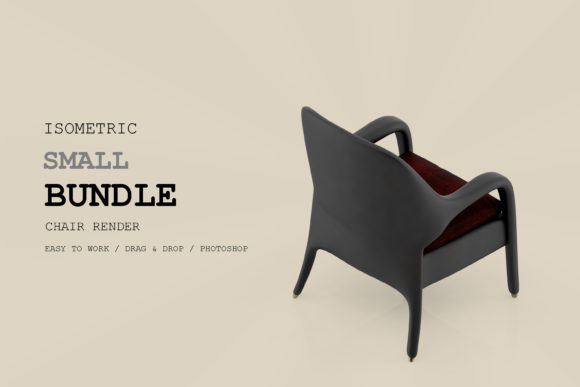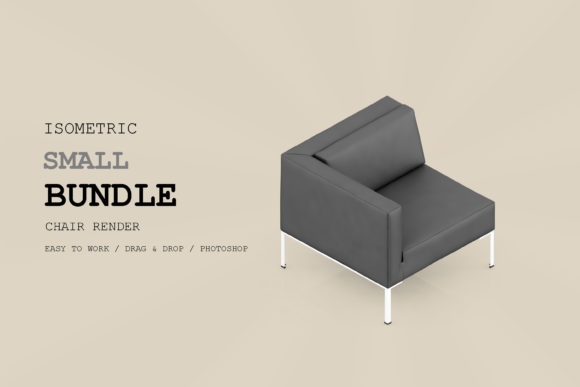
Isometric Chair 3D Render Pack 64
In the world of digital design, consistency is not just a preference; it is a necessity. When you are building a brand identity, creating educational materials, or designing an architectural visualization, visual harmony across all assets can make the difference between a cluttered mess and a professional presentation. This is where specialized asset packs become invaluable tools for creators. The Isometric Chair 3D Render Pack 64 offers a curated collection of high-quality, isolated furniture elements designed to fit seamlessly into various projects. By providing both standard and separated background versions, this pack addresses two of the most common pain points in 3D composition: lighting integration and background adaptability.
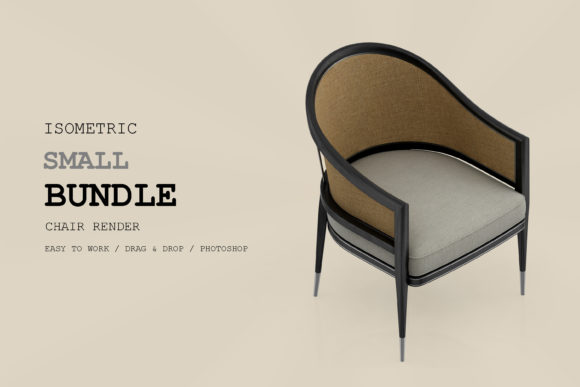
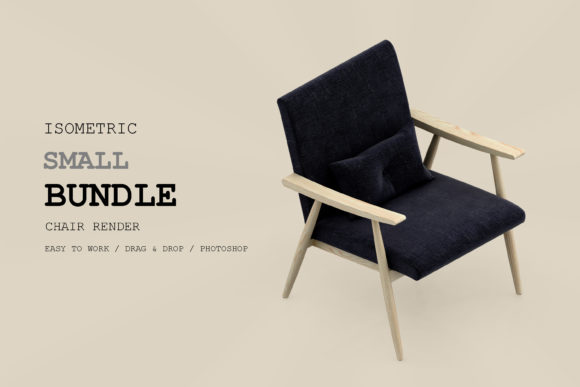
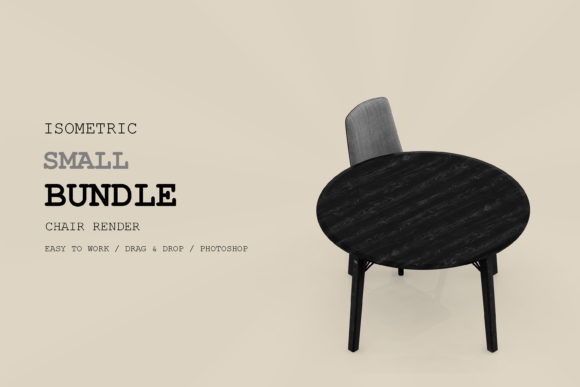
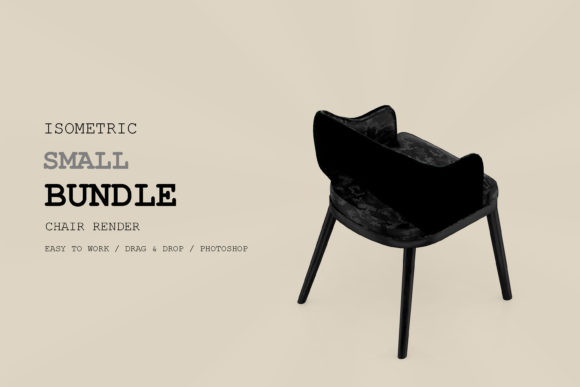
At its core, this resource provides sixty-four distinct renderings of chairs in an isometric perspective. Isometric projection is a method for visually representing three-dimensional objects in two dimensions. It does not employ linear perspective but rather that each axis in space is drawn at a 120° angle to the others. This style has gained immense popularity in modern UI/UX design, infographics, and architectural diagrams because it allows viewers to understand spatial relationships without the distortion of vanishing points. The inclusion of high-resolution files at 300 DPI ensures that these assets remain crisp whether they are viewed on a mobile screen or printed on large-format posters.
Why Separated Backgrounds Matter
One of the standout features of this specific pack is the availability of a version with a separated background. In traditional 3D rendering workflows, integrating a new object into an existing scene often requires complex compositing work. Designers must manually adjust shadows, color balance, and ambient occlusion to make the new chair look like it belongs in the environment. For beginners, this process can be daunting and time-consuming. For professionals, it represents a bottleneck in rapid prototyping.
The separated background variant solves this by providing a clean cutout of the chair, typically against a transparent or neutral backdrop. This allows users to drop the asset directly into their software—whether that is Photoshop, Illustrator, After Effects, or a dedicated 3D modeling program—and immediately begin manipulating it. The separated shadow feature further enhances this utility. Instead of relying on the renderer’s default shadow, which might clash with your project’s lighting setup, you get a dedicated shadow layer. This gives you total control over opacity, blur, and position, ensuring the chair looks grounded in any scene you place it in.
Ease of Use and Organized Layers
For freelancers and small business owners who wear multiple hats, efficiency is paramount. The Isometric Chair 3D Render Pack 64 includes a help file and organized layers, which significantly reduces the learning curve. Beginners often struggle with messy PSD files where every element is flattened or poorly named. Finding a specific component to edit can feel like searching for a needle in a haystack. With organized layers, designers can quickly toggle visibility, isolate specific parts of the chair (such as the legs or the backrest), or apply global adjustments without affecting other components.
This level of organization also benefits experienced users who are working under tight deadlines. When speed is critical, having pre-composed, well-structured assets allows for faster iteration. A marketer can swap out a chair model in a promotional banner in seconds, testing different aesthetics to see what resonates best with their audience. The help file serves as a quick reference guide, clarifying how to manipulate the layers and shadows, which minimizes technical friction and keeps the focus on creative output.
Diverse Applications Across Industries
The versatility of isometric chair renders extends far beyond simple decoration. Different audiences find unique value in this pack based on their specific goals and industry requirements.
Education and School Projects
Educators and students often need to create clear, engaging visual aids to explain concepts related to interior design, ergonomics, or even basic geometry. Isometric views are excellent for teaching spatial reasoning because they provide a consistent scale and orientation. Students working on school projects can use these high-DPI renders to create polished presentations that look professional without requiring advanced 3D modeling skills. The ability to separate the chair from the background allows them to focus on the object itself, analyzing its form and function in isolation before placing it in a room layout.
Architecture and Interior Design
For architects and interior designers, visualization is key to selling a concept. Clients often struggle to interpret flat floor plans. Isometric views bridge this gap by offering a 3D-like perspective that is easy to understand. Using the Isometric Chair 3D Render Pack 64, designers can populate their floor plans with realistic furniture pieces. The separated background feature is particularly useful here, allowing designers to match the lighting and mood of their architectural renders perfectly. Whether it is a residential living room or a commercial office space, having a library of diverse chair styles ensures that the design feels lived-in and authentic.
Social Media and Digital Marketing
In the fast-paced world of social media, content needs to be visually striking and instantly recognizable. Marketers and bloggers frequently use isometric illustrations to create eye-catching posts, stories, and advertisements. A static image of a chair might be boring, but an isometric composition featuring multiple chairs arranged in a pattern can convey themes of variety, choice, or community. The high resolution (300 DPI) ensures that these images look sharp on high-density displays, such as Retina screens, enhancing the perceived quality of the brand. Furthermore, the separated shadow allows for dynamic placement, making the chairs appear to float or sit naturally within animated graphics or video content.
Print Projects and Publications
While digital media dominates, print still holds significant value for magazines, brochures, and catalogs. The 300 DPI resolution of this pack makes it suitable for high-quality printing. Publishers and editors can use these renders in articles about furniture trends, home decor guides, or product reviews. The clarity of the lines and the detail in the textures ensure that the prints do not suffer from pixelation or blurriness, maintaining professionalism in physical media.
Evaluating Value and Long-Term Usefulness
When considering whether to incorporate the Isometric Chair 3D Render Pack 64 into your workflow, it is helpful to think about long-term usefulness. Asset libraries are investments. A pack that offers 64 distinct variations provides ample material for numerous projects over time. You are not limited to a single use case; the same assets can be rotated through different designs, keeping your visual language fresh while maintaining consistency.
For hobbyists and consumers, the appeal lies in accessibility. You do not need to be a 3D artist to create compelling visuals. The provided help file and organized structure democratize the design process, allowing anyone with basic graphic design software to produce results that look professionally crafted. This lowers the barrier to entry for personal projects, such as planning a home renovation or creating custom invitations.
Ultimately, the value of this pack is measured by the time it saves and the quality it adds. By removing the technical hurdles of rendering, shadow casting, and background removal, it allows creators to focus on the narrative and aesthetic of their work. Whether you are a seasoned architect presenting to a client, a blogger crafting a lifestyle post, or a student completing a semester project, the flexibility and quality of these isometric chair renders offer a practical solution to common design challenges. It is a tool that adapts to your needs, providing reliability and creativity in equal measure.