Mastering Visual Communication with Isometric Chair 3D Render Pack 141
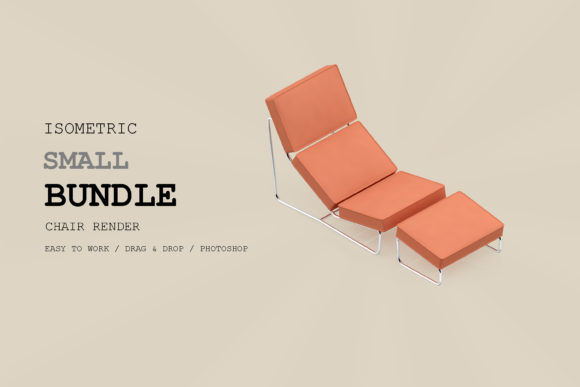
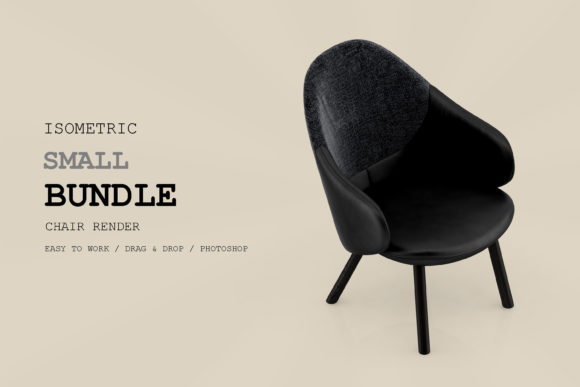
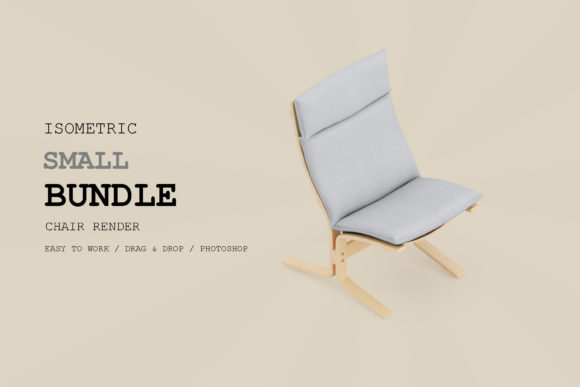
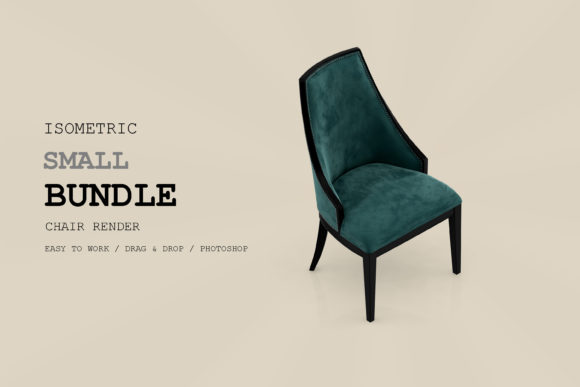
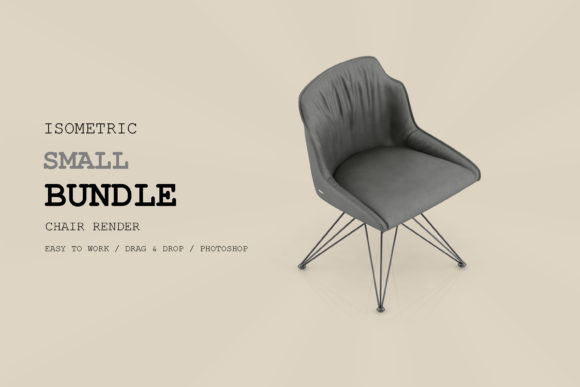
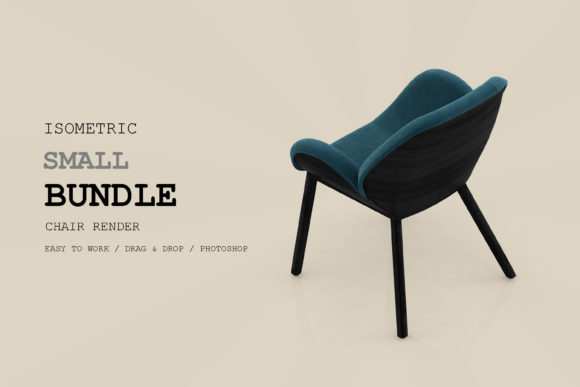
In the rapidly evolving landscape of digital design, the ability to communicate complex spatial relationships clearly and aesthetically is more valuable than ever. Among the various techniques available to designers, isometric projection has emerged as a powerful tool for creating clean, technical, yet visually engaging illustrations. Today, we are exploring a specific asset that exemplifies this technique: the Isometric Chair 3D Render Pack 141. This resource is not merely a collection of images; it is a meticulously crafted toolkit designed to elevate projects ranging from school assignments to high-stakes architectural presentations.
Whether you are a seasoned graphic designer looking to streamline your workflow or a student trying to visualize furniture placement in a room, understanding the nuances of high-quality 3D render packs can significantly impact the final output. In this article, we will break down what makes this specific pack unique, why its technical specifications matter, and how you can leverage it across multiple platforms for maximum effect.
What Is an Isometric 3D Render?
To fully appreciate the value of the Isometric Chair 3D Render Pack 141, it is essential to first understand the concept of isometric design. Unlike traditional perspective drawing, which uses vanishing points to create depth (making objects appear smaller as they recede into the distance), isometric projection maintains parallel lines. This means that all three dimensions—width, height, and depth—are drawn at equal scales.
This technique offers several distinct advantages:
- Clarity: It eliminates distortion, making it easier to measure and understand the object's proportions.
- Aesthetic Appeal: It provides a clean, modern look that is highly popular in infographics, user interfaces, and game design.
- Focus: By removing the complexity of perspective, the viewer’s attention remains fixed on the object itself—in this case, the chair.
The "Pack 141" designation suggests this is part of a larger, curated library of assets, ensuring consistency in style if you are building a comprehensive scene with multiple pieces of furniture.
Technical Specifications: Why Details Matter
Not all 3D renders are created equal. The description of the Isometric Chair 3D Render Pack 141 highlights several critical technical features that distinguish professional-grade assets from amateur ones. Let’s dissect these features to understand their practical significance.
High Resolution and DPI 300
The mention of High Resolution and DPI 300 is crucial for anyone planning to use these images in both digital and physical mediums. DPI (Dots Per Inch) refers to the number of individual dots of ink a printer places within one linear inch when printing an image. A standard screen resolution might be 72 DPI, but for print materials like brochures, posters, or business cards, 300 DPI is the industry standard for sharpness.
If you attempt to scale up a low-resolution image for print, it will appear pixelated and blurry. By starting with a 300 DPI source, you ensure that your chair render looks crisp whether it is viewed on a smartphone screen or printed on a large-format banner.
Organized Layers and Separated Background
One of the most time-consuming aspects of digital composition is isolating subjects from their backgrounds. The fact that this pack includes a Separated background and Organized layers is a massive productivity booster.
- Separation: You can instantly remove the background without spending hours using the pen tool in Photoshop. This allows for seamless integration into new scenes.
- Layer Organization: If the file format supports layers (such as PSD or AI), having them organized means you can adjust shadows, lighting, or individual parts of the chair independently. This flexibility allows for customization, such as changing the color of the fabric or adjusting the angle of the light source.
Separated Shadow
A realistic 3D render requires a believable shadow to ground the object in space. However, static shadows can sometimes clash with new backgrounds. The inclusion of a Separted shadow layer gives you control over the opacity and blur of the shadow. This ensures that the chair appears to sit naturally on whatever surface you place it on, enhancing the overall realism of your composition.
Help File: The Unsung Hero of Asset Packs
Many designers overlook the importance of documentation, but the inclusion of a Help file in this pack is a sign of professionalism. For beginners, a help file serves as a tutorial, explaining how to open the files, which software versions are compatible, and how to manipulate the layers. For experienced users, it may contain licensing information or tips on best practices for integrating the asset into larger workflows. This support system reduces friction and allows you to start creating immediately.
Practical Applications: Where Can You Use This?
The versatility of the Isometric Chair 3D Render Pack 141 makes it suitable for a wide array of industries and activities. Here is a breakdown of where this asset shines:
1. Architecture and Interior Design
Architects often use isometric views to present floor plans or furniture layouts to clients who may struggle with traditional 2D blueprints. An isometric chair render can be placed into a room layout to show scale and style. Because the pack is high-resolution and has separated layers, designers can easily swap out chairs to compare different aesthetic options during client meetings.
2. School Projects and Education
For students in design, engineering, or art courses, creating 3D models from scratch can be daunting and time-consuming. Using a pre-made, high-quality asset allows students to focus on the composition, color theory, and presentation aspects of their project. It levels the playing field, allowing everyone to produce professional-looking visuals regardless of their 3D modeling skill level.
3. Social Media and Digital Marketing
In the age of Instagram and Pinterest, visual content is king. Isometric illustrations are trendy because they stand out in crowded feeds. Furniture brands, home decor blogs, and interior design influencers can use these renders to create eye-catching posts. The high resolution ensures that the images look premium, which builds trust and authority with the audience.
4. Print Projects and Advertisements
As mentioned earlier, the 300 DPI specification makes this pack ideal for print. Imagine a catalog for a furniture store or a brochure for a real estate development. These materials require high-quality images that do not pixelate when printed. The organized layers allow marketers to add text overlays directly onto the image in their design software, creating cohesive advertisements quickly.
5. Website Design and UI/UX
Websites benefit greatly from custom illustrations rather than generic stock photos. Isometric icons and assets can be used in hero sections, about pages, or feature lists to guide the user’s eye. The separated background feature is particularly useful here, as web designers need transparent PNGs or SVGs to overlay graphics on top of colored backgrounds or other website elements.
Common Misconceptions About Using Stock Assets
There is a common misconception among some creative professionals that using pre-made 3D renders is "cheating" or lacks originality. However, in the professional world, efficiency and quality are paramount. Using a well-crafted asset like Pack 141 does not mean you are giving up creativity; rather, it means you are leveraging existing tools to focus on higher-level design decisions. Think of it like a chef using high-quality pre-chopped ingredients—they still have to decide how to combine flavors, seasonings, and presentation to create a masterpiece. The same applies to design; the asset is your ingredient, but your vision is the recipe.
Conclusion
The Isometric Chair 3D Render Pack 141 represents more than just a picture of a chair. It is a comprehensive solution for designers seeking clarity, efficiency, and professional quality. With its high-resolution output, organized layers, separated shadows, and supportive help file, it caters to both novices and experts.
Whether you are working on a school project, designing a website, preparing an advertisement, or presenting an architectural concept, this pack provides the foundational elements needed to communicate your ideas effectively. By choosing resources that prioritize technical precision and usability, you empower yourself to create work that is not only visually stunning but also practically versatile. In a world where visual communication is ubiquitous, having the right tools in your arsenal is the first step toward success.
Explore the possibilities of isometric design today, and see how a single, well-rendered asset can transform the way you present your work to the world.