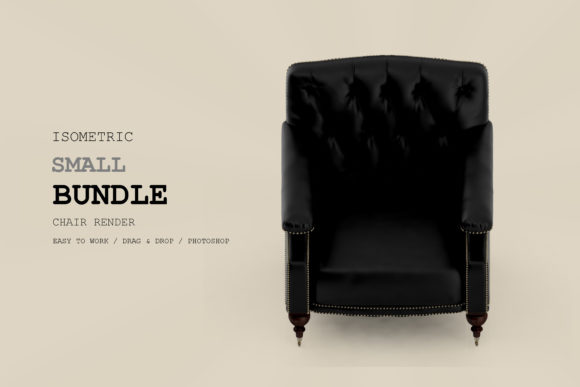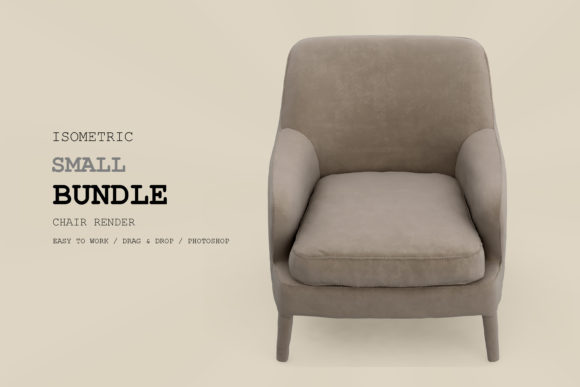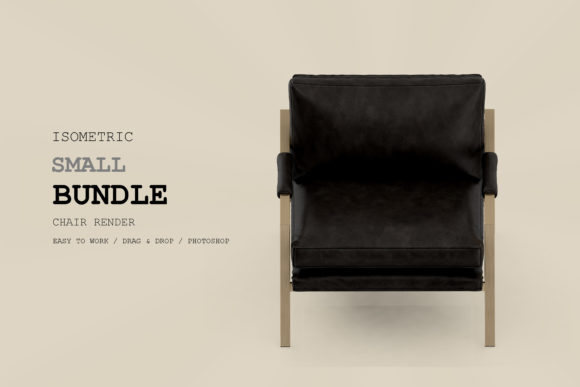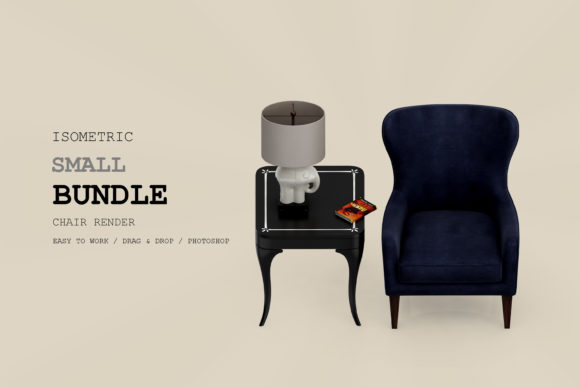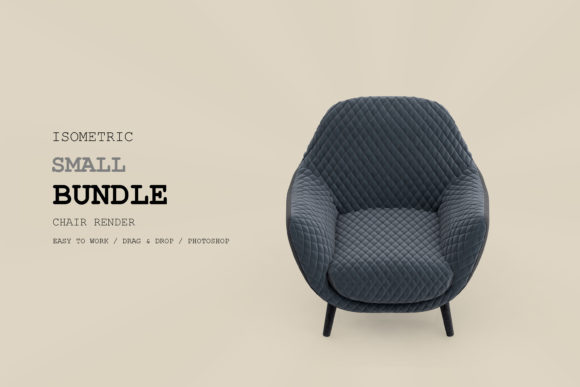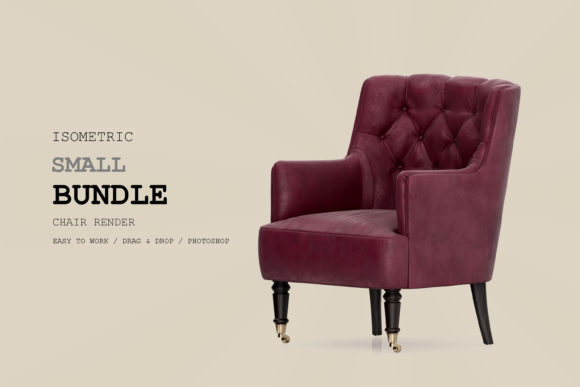
Isometric Armchair 3D Renderin Pa 149
When you are designing a space, pitching an interior concept, or simply trying to visualize how a piece of furniture fits into your living room, the difference between a flat image and a three-dimensional representation is night and day. This is where Isometric Armchair 3D Renderin Pa 149 becomes an invaluable asset. It is not just another stock photo; it is a meticulously crafted 3D rendering designed for versatility, precision, and ease of use. Whether you are a freelance graphic designer working on a tight deadline, an architecture student presenting a final project, or a small business owner launching an e-commerce store, understanding the practical applications of this specific render can significantly elevate the quality of your work.
The term "Isometric" refers to a method of graphical representation in which three-dimensional objects are drawn in two dimensions, with the three axes of space remaining equally foreshortened. This creates a clean, technical, yet visually appealing perspective that is widely favored in modern design, gaming, and architectural visualization. Unlike traditional perspective views that distort size based on distance, isometric projections maintain consistent scale, making them perfect for technical diagrams, user interface icons, and clear product showcases. Pa 149 specifically offers a high-quality armchair model that leverages these principles to provide a realistic yet stylized look that appeals to a broad audience.
Why Technical Features Matter in Real-World Projects
It might seem like technical specifications are boring until you actually need them. However, features like separated background, high resolution, DPI 300, and organized layers are what separate a usable asset from a headache-inducing file. Let’s break down why these specific qualities of Isometric Armchair 3D Renderin Pa 149 matter in everyday scenarios.
First, consider the separated background. In many design projects, you do not want the chair sitting on a generic white void or a distracting environment. You might need to place it on a textured floor, blend it into a collage, or overlay it onto a photograph of a living room. A separated background means you can isolate the armchair instantly without spending hours masking it out in Photoshop. This saves time and ensures a cleaner edge, which is crucial for professional-looking outputs.
Next, the high resolution and DPI 300 specifications are non-negotiable for print projects. If you are creating a brochure, a magazine advertisement, or a large-format poster for an architecture firm, low-resolution images will appear pixelated and unprofessional when printed. DPI 300 is the industry standard for sharp, crisp printing. With Isometric Armchair 3D Renderin Pa 149, you can zoom in on the fabric texture or stitching details without losing clarity, giving your print materials a premium feel that digital-only assets often lack.
The organized layers feature is perhaps the most underrated benefit for creative professionals. When a 3D render comes with organized layers, it typically means elements like shadows, highlights, and the object itself are separated. This allows for advanced compositing. For instance, if you want to change the lighting direction in your post-production workflow or adjust the opacity of the shadow to make it look more natural against a specific background, you can do so easily. Without organized layers, you are stuck with a flat image that cannot be manipulated effectively.
Additionally, the separated shadow adds depth and realism. Shadows ground objects in their environment. By having the shadow as a distinct layer, you can move it, scale it, or even remove it entirely if you are placing the chair in a surreal or minimalist context. This level of control empowers designers to tailor the visual narrative precisely to their needs.
Practical Use Cases Across Industries
So, where exactly can you apply Isometric Armchair 3D Renderin Pa 149? The versatility of this asset extends far beyond simple decoration. Here are several realistic scenarios where this tool shines.
Architecture and Interior Design
For architects and interior designers, visualization is key. Clients often struggle to interpret blueprints or mood boards. Presenting an isometric view of a selected armchair within a room layout helps clients understand spatial relationships better. Because the render is high-resolution and has a separated background, you can composite the chair into various room settings—modern lofts, cozy cottages, or corporate offices—to show potential buyers how different styles interact. The organized layers allow you to tweak the lighting to match the room’s ambient light, creating a seamless integration that builds trust with your client.
School Projects and Educational Materials
Educators and students frequently need high-quality visuals to explain concepts in design, art, or even engineering classes. Isometric views are excellent for teaching spatial reasoning. A teacher might use Pa 149 to demonstrate principles of proportion, color theory, or material textures. The fact that it includes a help file suggests that there is guidance available, which is helpful for students who may be new to 3D software or graphic design tools. It serves as both a final visual element and a learning resource.
Social Media and Digital Marketing
In the fast-paced world of social media, attention spans are short. Eye-catching, clean graphics perform best. Isometric illustrations have become a staple in Instagram posts, Pinterest pins, and LinkedIn articles because they stand out amidst chaotic feeds. A small business owner selling home decor can use this render to create consistent branding across platforms. The high resolution ensures it looks good on retina displays, while the separated background allows for easy creation of animated GIFs or videos by moving the chair slightly or changing the backdrop color. Marketers can A/B test different backgrounds to see which drives more engagement.
Blog Posts and Content Creation
Blogger’s content lives or dies by its readability and visual appeal. An article about "Top 5 Armchairs for Reading Nooks" will perform much better with custom, high-quality imagery than with generic stock photos. Using Isometric Armchair 3D Renderin Pa 149, bloggers can create unique header images or inline graphics that match their site’s aesthetic perfectly. Since the layers are organized, they can adjust the color tone of the chair to match their brand colors, ensuring consistency without needing complex editing skills.
Advertisement and E-Commerce
For online retailers, product images are everything. While customers usually want photorealistic shots from multiple angles, isometric views are increasingly popular for infographics that highlight features. Imagine an ad campaign that uses an isometric cutaway or a layered view to show the cushion density, frame structure, and fabric quality. Pa 149’s separated shadow and background make it easy to place these chairs into promotional banners alongside text and other products. The DPI 300 capability also ensures that if you run print ads in local newspapers or trade shows, the quality remains impeccable.
Considerations Before You Start
While Isometric Armchair 3D Renderin Pa 149 is a powerful tool, it is important to approach its usage with some practical considerations. First, always check the licensing agreement. Depending on where you acquired the asset, you may have restrictions on commercial use, redistribution, or modification. Ensure that your intended use case—whether it’s a personal blog or a large-scale ad campaign—complies with these terms to avoid legal issues.
Secondly, consider your software proficiency. Although the layers are organized, manipulating 3D renders or PSD files requires some familiarity with tools like Adobe Photoshop, Illustrator, or similar graphic design software. If you are not comfortable editing layers, you might find the separated shadow or background features less accessible. In such cases, utilizing the included help file is highly recommended to understand the file structure before diving in.
Finally, think about context. Isometric views are stylized. They work exceptionally well for modern, tech-forward, or minimalist designs. However, if you are aiming for a hyper-realistic, emotional, or rustic aesthetic, a traditional perspective photograph might be more appropriate. Pa 149 is best used when you want clarity, precision, and a clean visual language rather than raw emotional drama.
Conclusion
Isometric Armchair 3D Renderin Pa 149 is more than just a picture of a chair; it is a flexible, high-quality resource designed to solve real problems in design, education, and marketing. Its technical features—separated background, high resolution, organized layers, and separated shadow—are not just buzzwords but practical tools that save time and enhance creativity. Whether you are building a portfolio, launching a product, or teaching a class, this asset provides the foundation for professional, polished results. By understanding its capabilities and applying it thoughtfully to your specific needs, you can transform ordinary projects into extraordinary visual stories.