Isometric Armchair 3D Rendering Pack 24: A Versatile Asset for Modern Design Projects
In the rapidly evolving landscape of digital design and visual communication, the demand for high-quality, versatile assets has never been higher. Whether you are an architect presenting a concept to a client, a social media manager crafting engaging content, or a student working on a final year project, the right visual elements can make all the difference. Enter the Isometric Armchair 3D Rendering Pack 24, a specialized collection designed to bring depth, realism, and professional polish to a wide array of creative endeavors. This article explores the features, applications, and practical value of this specific rendering pack, helping you determine if it fits your workflow.
Understanding the Core Concept
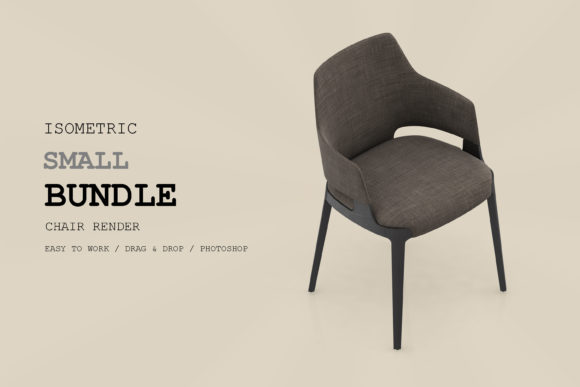
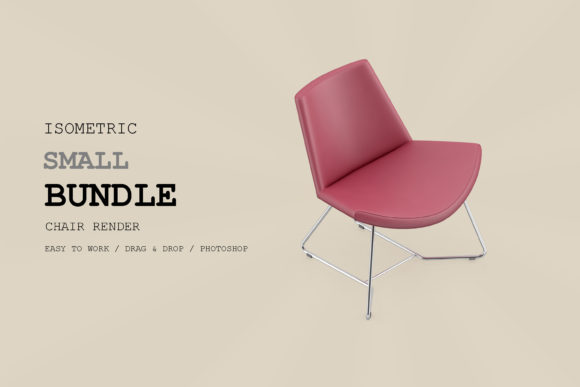
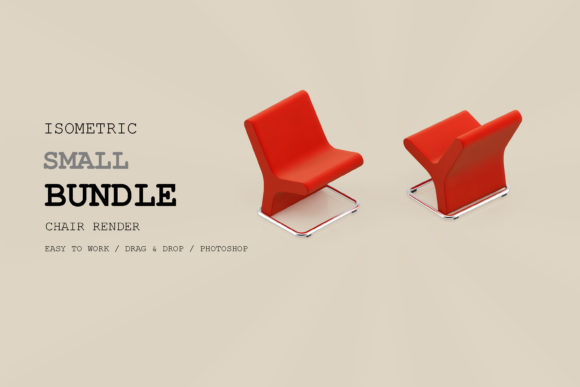
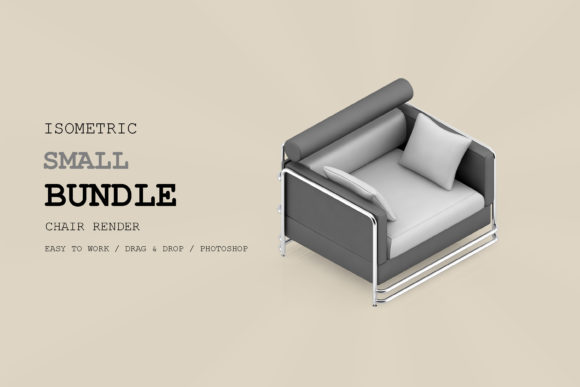
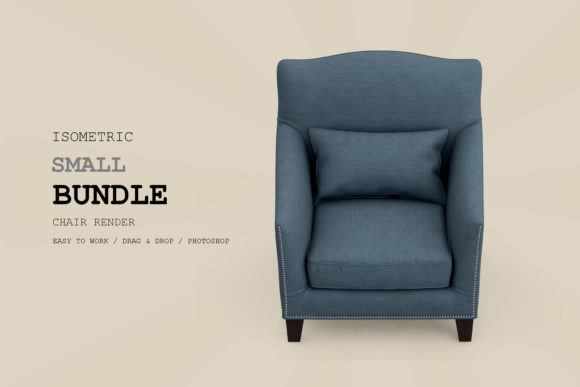
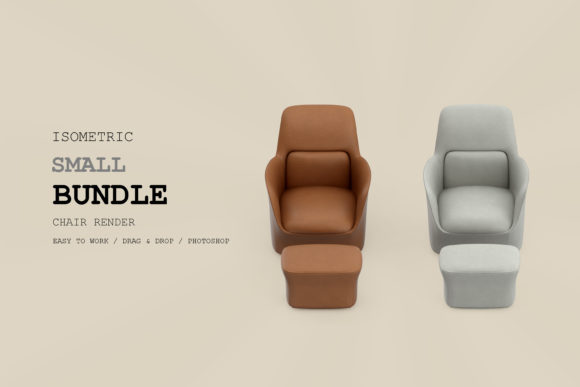
At its heart, an isometric projection is a method of graphical representation in which three-dimensional objects are drawn in two dimensions without perspective distortion. This style is particularly popular in interior design, game development, and architectural visualization because it allows viewers to see multiple sides of an object simultaneously while maintaining accurate proportions. The Isometric Armchair 3D Rendering Pack 24 capitalizes on this aesthetic by providing a meticulously crafted 3D model of an armchair, rendered with precision and ready for immediate use.
Unlike generic clip art or low-resolution images found on free stock photo sites, this pack offers a level of detail that supports professional-grade output. It is not merely a picture; it is a structured digital asset that gives users control over how the furniture piece interacts with other elements in their composition. By focusing on a single, iconic piece of furniture—the armchair—this pack ensures that every curve, fabric texture, and structural line is optimized for clarity and impact.
Key Features That Drive Usability
What sets the Isometric Armchair 3D Rendering Pack 24 apart from standard image files is its technical architecture. Designed with the end-user’s workflow in mind, the pack includes several critical features that enhance flexibility and ease of use.
Separated Background and Shadow
One of the most frustrating aspects of using pre-made graphics is dealing with unwanted backgrounds or mismatched lighting. This pack addresses that pain point directly. The armchair is presented with a separated background, meaning the subject is cleanly cut out and ready to be placed onto any canvas without complex masking tools. Furthermore, the inclusion of a separated shadow allows designers to adjust the grounding of the object. You can move the shadow independently of the chair, ensuring that the lighting in your composition remains consistent even if you place the armchair next to other objects with different light sources.
High Resolution and Print Readiness
For professionals who need to transition from digital screens to physical materials, resolution is paramount. The Isometric Armchair 3D Rendering Pack 24 boasts high resolution capabilities with a DPI of 300. This standard is the industry benchmark for print quality. Whether you are designing a brochure, a poster, or a magazine layout, the armchair will remain crisp and clear, avoiding the pixelation that often plagues lower-quality web assets.
Organized Layers and Support
Complexity should not hinder usability. The pack comes with organized layers, which is a significant advantage for users working in software like Adobe Photoshop or Illustrator. Instead of having a flat, indecipherable image, you can access individual components of the rendering. This granular control allows for color adjustments, texture modifications, or integration into more complex scenes. Additionally, the inclusion of a help file ensures that even those less familiar with 3D assets can navigate the file structure and utilize the features effectively.
Where Can It Be Used?
The versatility of the Isometric Armchair 3D Rendering Pack 24 makes it suitable for a diverse range of industries and projects. Its clean, modern aesthetic aligns well with contemporary design trends, making it a valuable tool across various platforms.
- School Projects: For students in interior design, architecture, or graphic arts, this pack provides a quick way to create professional-looking presentations. The organized layers allow for educational demonstrations of spatial arrangement and color theory.
- Social Network Content: In the age of Instagram and Pinterest, visual appeal is currency. Isometric illustrations are highly shareable and perform well on social feeds. Using this pack, creators can produce unique, eye-catching posts that stand out amidst generic photography.
- Print Projects: With its 300 DPI resolution, the pack is ideal for brochures, flyers, and business cards. Furniture stores, real estate agencies, and interior design firms can use these images to showcase products in catalogs or marketing materials.
- Architecture Design: Architects often use isometric views to explain spatial relationships to clients who may struggle with traditional floor plans. Adding a detailed armchair helps visualize the scale and comfort of a proposed living space.
- Blog and Website Design: Web designers looking to break up text-heavy content can use these renders as custom icons or decorative elements. They add a touch of sophistication and uniqueness that stock photos often lack.
- Advertisement: Digital and print advertisements benefit from the clarity and focus of isolated 3D renders. The separated background feature allows the armchair to be highlighted against vibrant colors or complex patterns, drawing the viewer’s eye directly to the product.
Evaluating Suitability and Practical Expectations
While the Isometric Armchair 3D Rendering Pack 24 offers numerous advantages, it is important to approach its usage with realistic expectations. It is a static rendering pack, meaning it does not include animated sequences or interactive 3D models that can be rotated in real-time within a browser. If your project requires dynamic, rotatable 3D viewing, you would need a different format, such as GLB or OBJ files compatible with WebGL viewers.
However, for static design purposes, the pack excels. The separation of layers and shadows is designed to mimic the look of a professionally lit studio shoot. Users should be aware that while the base render is high-quality, achieving a seamless integration into a scene still requires basic knowledge of compositing techniques, such as adjusting opacity, blending modes, and matching ambient lighting. The included help file serves as a guide for these processes, but familiarity with design software will yield the best results.
Strengths and Considerations
The primary strength of this pack lies in its efficiency. By providing a high-quality, pre-rendered asset, it saves designers hours of modeling and texturing time. This is particularly valuable for freelancers and small businesses with tight deadlines. The organized layer structure further reduces friction in the editing process, allowing for rapid iteration of designs.
A consideration to keep in mind is the specific style of the armchair. Isometric designs tend to have a stylized, slightly simplified look compared to photorealistic renders. While this adds charm and clarity, it may not suit projects requiring hyper-realism. Designers should assess whether the aesthetic of this pack aligns with the overall brand identity or artistic vision of their project.
Conclusion
The Isometric Armchair 3D Rendering Pack 24 represents a thoughtful intersection of aesthetic appeal and technical utility. By offering high-resolution, layered, and shadow-separated assets, it empowers creators to produce polished visuals with minimal effort. From school projects to high-stakes advertising campaigns, its applications are broad and impactful. For anyone seeking to elevate their visual storytelling with clean, modern, and professional 3D elements, this pack stands out as a reliable and valuable resource. As digital content continues to dominate our interactions, having access to such versatile tools is not just a convenience—it is a necessity for effective communication.