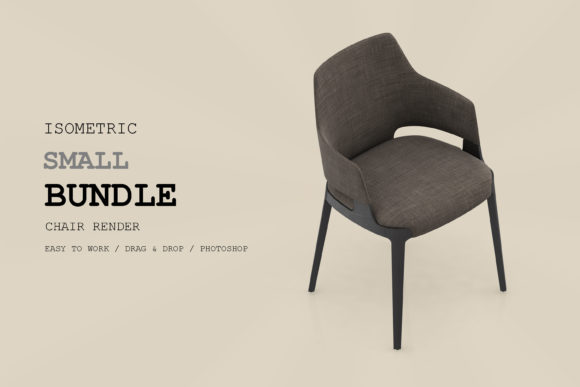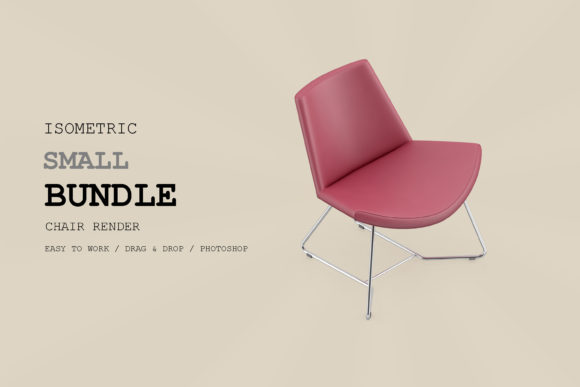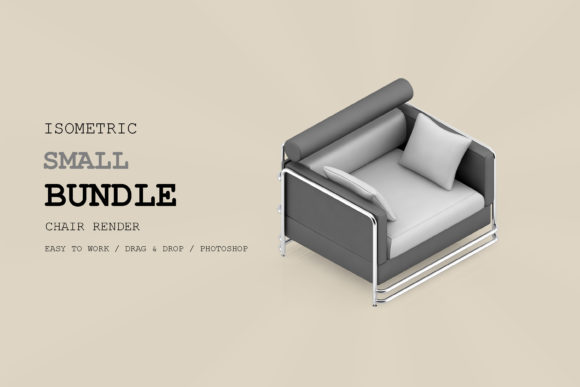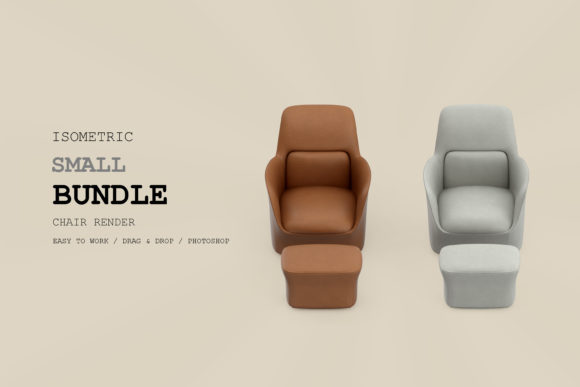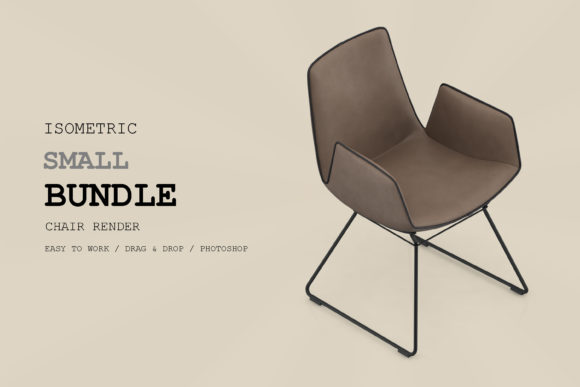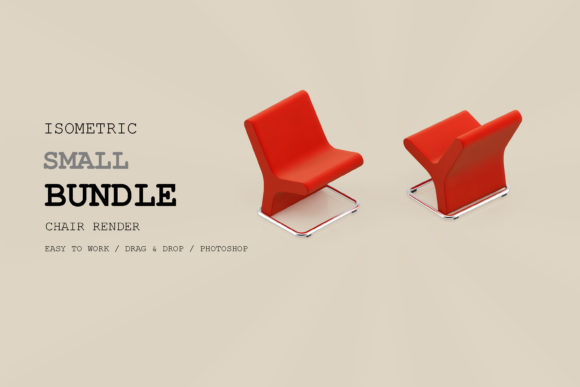
Isometric Chair 3D Render Pack 9: A Versatile Asset for Modern Design Projects
In the rapidly evolving landscape of digital design, visual communication is paramount. Whether you are an architect presenting a concept to a client, a marketer crafting a social media campaign, or a student working on a capstone project, the quality and versatility of your visual assets can make or break your message. This is where specialized 3D render packs become invaluable tools in a designer’s arsenal. Among these resources, the Isometric Chair 3D Render Pack 9 stands out as a comprehensive solution for creating clean, professional, and engaging isometric illustrations.
This article explores the features, applications, and practical benefits of this specific render pack, helping you determine if it aligns with your creative needs. By understanding its technical specifications and potential use cases, you can integrate high-quality 3D elements into your workflow more effectively.
Understanding Isometric Design and Its Value
Before diving into the specifics of the render pack, it is essential to understand why isometric design remains so popular. Isometric projection is a method for visually representing three-dimensional objects in two dimensions. Unlike perspective drawings, which converge at a vanishing point, isometric lines remain parallel. This creates a unique aesthetic that is both technical and artistic, often associated with clarity, organization, and modernity.
For businesses and creators, isometric visuals are particularly effective because they allow viewers to understand spatial relationships without the distortion of perspective. This makes them ideal for infographics, user interface (UI) design, architectural presentations, and educational materials. The Isometric Chair 3D Render Pack 9 leverages this style to provide ready-to-use furniture models that fit seamlessly into such compositions.
Key Features of Isometric Chair 3D Render Pack 9
The value of any digital asset lies not just in its appearance but in its usability. The Isometric Chair 3D Render Pack 9 is designed with the end-user’s workflow in mind, offering several key features that enhance productivity and flexibility.
High Resolution and Print Readiness
One of the most critical aspects of professional design is resolution. Low-quality images can appear pixelated when scaled up, ruining the professionalism of a presentation or print piece. This render pack offers high-resolution outputs with 300 DPI. This specification ensures that whether you are printing a large-format poster or displaying a crisp image on a high-density retina screen, the chair models will maintain their sharpness and detail.
Organized Layers for Customization
Designers rarely use assets exactly as they are provided. Often, adjustments are needed to match a specific color palette or lighting condition. The Isometric Chair 3D Render Pack 9 comes with organized layers. This structure allows users to easily isolate specific parts of the chair—such as the legs, seat, or backrest—for individual editing. This level of control is crucial for maintaining consistency across a larger design project.
Separted Background and Shadow Effects
A common challenge in compositing 3D elements into a scene is dealing with unwanted backgrounds and inconsistent shadows. This pack addresses this by providing separated background options and separated shadow layers. The separated shadow feature is particularly valuable; it allows designers to adjust the opacity, angle, and blur of the shadow independently of the chair itself. This enables the creation of realistic depth and grounding within any composition, ensuring the chair looks like it belongs in the scene rather than floating above it.
Comprehensive Help File
To further assist users, the pack includes a dedicated help file. This resource provides guidance on how to open, edit, and utilize the files in various design software environments. For beginners, this reduces the learning curve, while experienced professionals can quickly reference best practices for integrating the assets.
Where Can You Use Isometric Chair 3D Render Pack 9?
The versatility of the Isometric Chair 3D Render Pack 9 means it can be applied across a wide range of industries and projects. Below are some of the most common and effective use cases.
- School Projects: Students in interior design, architecture, or graphic design courses can use these renders to create professional-looking presentations. The organized layers allow students to experiment with different styles and configurations, enhancing their learning experience.
- Social Network Content: In the age of Instagram, Pinterest, and LinkedIn, visual content drives engagement. Isometric illustrations are highly shareable and eye-catching. Using the Isometric Chair 3D Render Pack 9, content creators can produce unique graphics that stand out in crowded feeds.
- Print Projects: From brochures and flyers to magazines and posters, the 300 DPI resolution ensures that the chair models look pristine in print. Furniture catalogs, real estate brochures, and interior design portfolios benefit significantly from the high-quality output.
- Architecture Design: Architects often need to present spaces in a clear, understandable manner. Isometric views are excellent for showing room layouts and furniture placement. These renders can be integrated into floor plans or used as standalone conceptual art to communicate design ideas to clients.
- Blog Posts: Visual breaks improve readability and retention. Bloggers covering topics related to home decor, office setup, or technology can use these chairs to illustrate points, making their articles more engaging and visually appealing.
- Advertisement: Marketing campaigns require high-impact visuals. Whether for a furniture brand or a lifestyle advertisement, the clean lines and professional finish of the Isometric Chair 3D Render Pack 9 can elevate the perceived value of a product or service.
- Website Design: Web designers can use these assets for landing pages, about us sections, or service icons. The separated layers allow for easy customization to match the website’s branding, ensuring a cohesive visual identity.
Evaluating Suitability for Your Needs
While the Isometric Chair 3D Render Pack 9 offers numerous advantages, it is important to consider your specific requirements before purchasing or downloading. Here are a few factors to keep in mind.
Software Compatibility
Ensure that your design software supports the file formats included in the pack. Most modern design tools like Adobe Photoshop, Illustrator, and Affinity Suite handle layered PSD or AI files well. However, if you are using older or niche software, check the compatibility list provided in the help file.
Customization Needs
If you require exact replicas of specific real-world chair models, verify that the designs in the pack meet your aesthetic standards. While the pack offers a variety of styles, it may not include every niche design trend. However, the organized layers allow for significant modification, enabling you to adapt existing models to better suit your vision.
Project Scale
Consider the scale of your project. For small-scale tasks like social media posts, the provided resolutions are more than sufficient. For large-scale print jobs, such as billboards or exhibition banners, the 300 DPI resolution ensures that the assets will hold up under scrutiny. If your project involves extreme scaling beyond standard sizes, you may need to source vector-based alternatives or higher-resolution sources.
Practical Expectations and Limitations
No digital asset is perfect, and understanding the limitations of the Isometric Chair 3D Render Pack 9 can help set realistic expectations. While the pack excels in static imagery and layer organization, it is primarily a render pack rather than a fully interactive 3D model suite. If your workflow requires real-time rotation, animation, or complex physics simulations, you might need additional 3D modeling software and native 3D files (such as .obj or .fbx), which may not be included in this specific package.
Additionally, while the separated shadows and backgrounds offer great flexibility, achieving a perfectly natural look still requires a good understanding of lighting and composition principles. The assets provide the foundation, but the final result depends on the designer’s skill in integrating these elements into a cohesive scene.
Conclusion
The Isometric Chair 3D Render Pack 9 represents a thoughtful collection of high-quality, versatile design assets. With its high resolution, organized layers, separated shadows, and comprehensive support documentation, it caters to a broad audience ranging from students to seasoned professionals. Whether you are enhancing a school project, creating compelling social media content, or designing architectural visuals, this pack provides the tools necessary to achieve a polished and professional look.
By leveraging the strengths of isometric design and the flexibility of layered 3D renders, creators can save time and elevate the visual quality of their work. As you evaluate your next project, consider how the Isometric Chair 3D Render Pack 9 can fit into your workflow, offering a reliable and efficient solution for your visual communication needs.