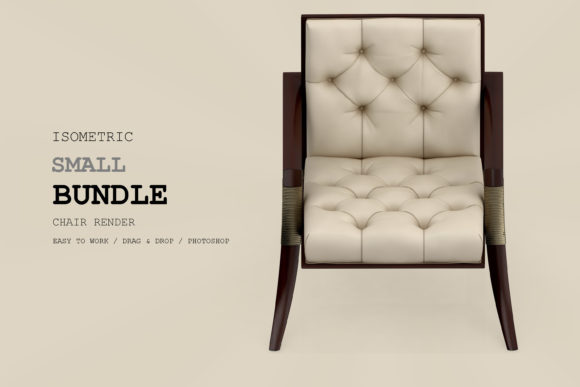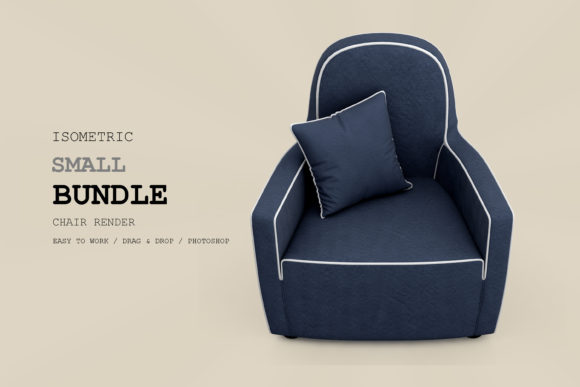
Isometric Armchair 3D Rendering Pack 28
In the fast-paced world of digital design, having a library of high-quality, versatile assets is not just a luxury—it is a necessity. Whether you are crafting a compelling social media campaign, designing a brochure for an interior firm, or building a portfolio for a freelance project, the difference between good work and great work often lies in the details. This is where Isometric Armchair 3D Rendering Pack 28 steps in as a powerful tool for creators who value precision, clarity, and aesthetic appeal.
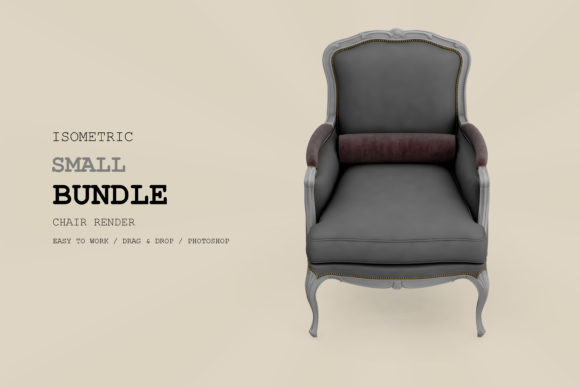
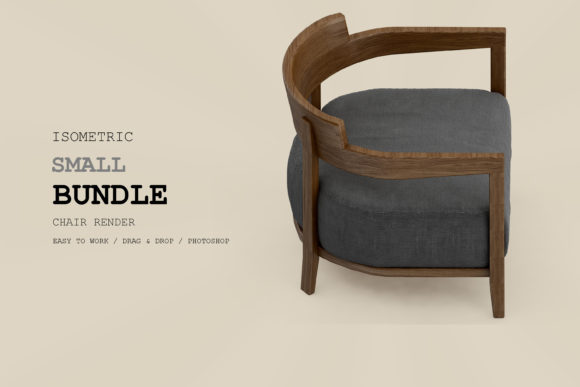
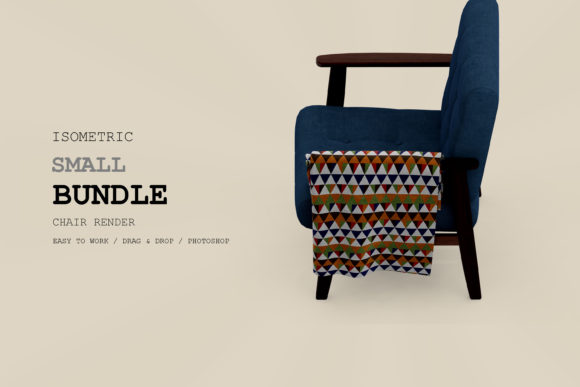
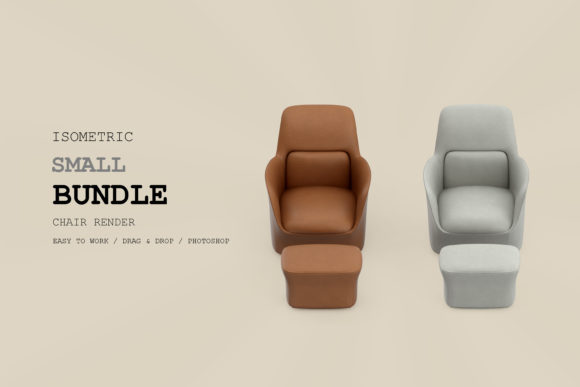
This pack is more than just a collection of images; it is a curated set of isolated, high-resolution 3D renders designed to integrate seamlessly into various creative workflows. By focusing on the timeless elegance of an armchair rendered in an isometric perspective, this asset provides a neutral yet sophisticated focal point that can elevate any visual composition. For designers, marketers, and educators alike, understanding how to leverage such specific, high-fidelity assets can transform a standard layout into a professional-grade presentation.
Why Isometric Perspective Matters in Modern Design
Isometric projection has seen a significant resurgence in recent years, particularly in UI/UX design, infographics, and architectural visualization. Unlike traditional perspective drawings that distort objects based on distance, isometric rendering maintains parallel lines and consistent scaling across all axes. This creates a clean, technical, and highly readable visual language that audiences find intuitive and engaging.
The Isometric Armchair 3D Rendering Pack 28 capitalizes on this trend by providing furniture elements that fit perfectly into these structured environments. An armchair, with its complex curves and soft textures, serves as an excellent test subject for demonstrating depth and volume without relying on vanishing points. When placed in an isometric scene, it adds a touch of warmth and human scale to otherwise rigid geometric compositions. This balance between organic form and mathematical precision is what makes the pack so valuable for modern graphic design projects.
Key Features That Enhance Workflow Efficiency
One of the primary challenges designers face when incorporating third-party assets is the time spent preparing them for use. Layers need to be flattened, backgrounds removed, and shadows adjusted to match the lighting of the new environment. Isometric Armchair 3D Rendering Pack 28 addresses these pain points directly through its thoughtful feature set.
- Separated Background: Each render comes with a transparent or cleanly isolated background, allowing for instant placement into any design software without tedious masking work.
- High Resolution & DPI 300: These files are optimized for both screen and print. The 300 DPI resolution ensures that whether you are displaying the image on a mobile device or printing it on a large-format poster, the quality remains crisp and sharp.
- Organized Layers: For those who prefer deeper customization, the organized layer structure allows designers to tweak specific elements if needed, though the pre-composed nature of the renders also makes them ready-to-use for quick turnarounds.
- Separated Shadow: Shadows are often the hardest part of compositing. By providing separated shadows, this pack allows users to adjust opacity, blur, and angle to match their specific scene lighting, ensuring realism and cohesion.
- Help File: A comprehensive help file guides users through installation, licensing, and best practices, reducing the learning curve and ensuring immediate productivity.
Creative Applications Across Industries
The versatility of Isometric Armchair 3D Rendering Pack 28 means it can be adapted for a wide range of industries and purposes. Here is how different professionals can utilize these assets to achieve their goals.
Architecture and Interior Design
For architects and interior designers, visualizing space is crucial. Isometric views are excellent for floor plans because they provide a 3D context without overwhelming the viewer with perspective distortion. Placing an armchair from this pack into a floor plan helps clients understand how furniture fits within a room’s dimensions. It bridges the gap between abstract blueprints and tangible living spaces. Designers can use these renders to create mood boards, client presentations, or marketing materials for real estate listings, showcasing potential layouts with realistic furniture pieces.
Marketing and Advertising
In the realm of advertising, attention spans are short, and visuals must communicate instantly. Isometric illustrations are particularly effective for explaining concepts or showcasing products. A marketer promoting home decor could use the armchair render as a central element in a banner ad or email newsletter. The clean lines and high resolution ensure that the brand looks premium and trustworthy. Furthermore, because the shadow is separated, advertisers can easily place the chair in different contexts—such as next to a window, in a corner, or beside a sofa—to tell a cohesive story about lifestyle and comfort.
Education and Academic Projects
Educators and students often struggle to find royalty-free, high-quality images for presentations and reports. Isometric Armchair 3D Rendering Pack 28 offers a solution for subjects ranging from art history to ergonomics. In a psychology class discussing environmental impact on mood, students can use the warm tones of the armchair to illustrate concepts of comfort and relaxation. In engineering courses, the isometric view can be used to discuss structural integrity or material properties. The high DPI ensures that these images look professional when printed in academic journals or bound thesis documents.
Social Media and Blogging
Content creators are constantly seeking unique visuals to stand out in crowded feeds. Standard stock photos of living rooms are everywhere, but isometric renders offer a fresh, stylized alternative. Bloggers writing about home organization, minimalist living, or furniture reviews can use these assets to create custom graphics that align with their brand identity. The separated layers allow for creative experimentation, such as changing the background color to match a seasonal theme or combining multiple chairs to create a dynamic collage. This level of customization helps maintain originality, which is key to algorithmic visibility and audience engagement.
Best Practices for Integration
To get the most out of Isometric Armchair 3D Rendering Pack 28, consider the following practical tips:
- Maintain Consistency: If you are using multiple items from the pack, ensure they share similar lighting directions. Use the separated shadow feature to align the light source across your entire composition.
- Scale Appropriately: Remember that isometric views have a fixed scale. Ensure the armchair is proportionate to other elements in your design, such as tables, rugs, or walls, to avoid a disjointed look.
- Leverage Negative Space: Isometric designs thrive on clean backgrounds. Allow the armchair to breathe by giving it ample negative space, which draws the eye directly to the product.
- Combine with Typography: Use bold, sans-serif fonts to complement the modern aesthetic of the isometric render. Place text strategically around the object to guide the viewer’s gaze.
Conclusion
Ultimately, Isometric Armchair 3D Rendering Pack 28 is a testament to the power of well-crafted digital assets. It removes the barriers to entry for high-quality 3D visualization, allowing creators of all skill levels to produce professional results. Whether you are designing for print, web, or social media, the combination of high resolution, organized layers, and separated shadows provides the flexibility needed to bring your creative vision to life. By integrating these renders into your workflow, you not only save time but also enhance the overall aesthetic quality of your projects, making them more engaging and effective for your audience.