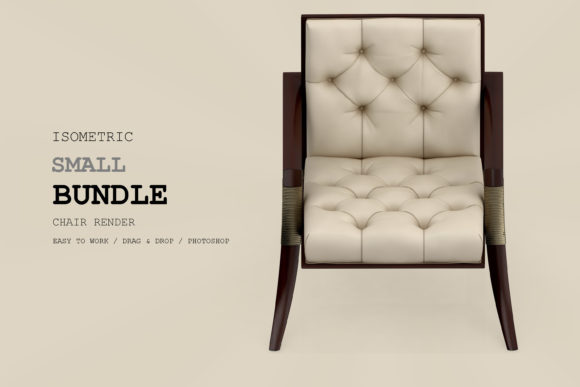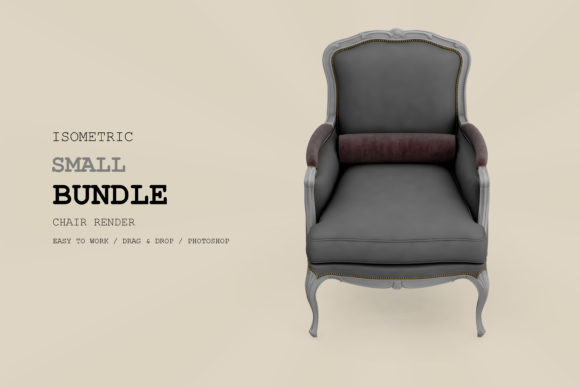
Isometric Armchair 3D Rendering Pack 36
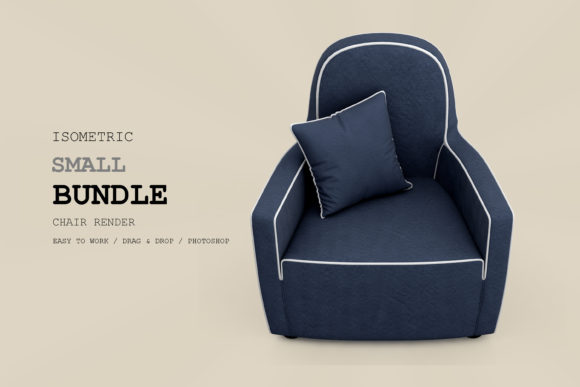
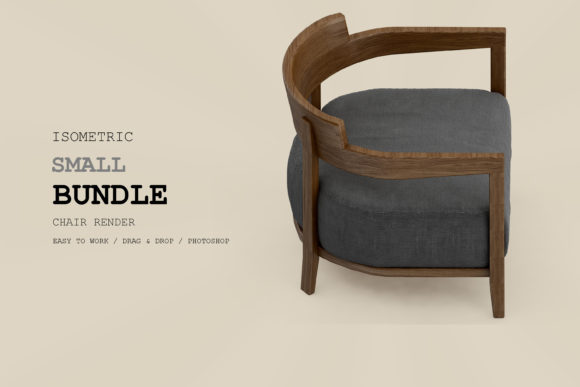
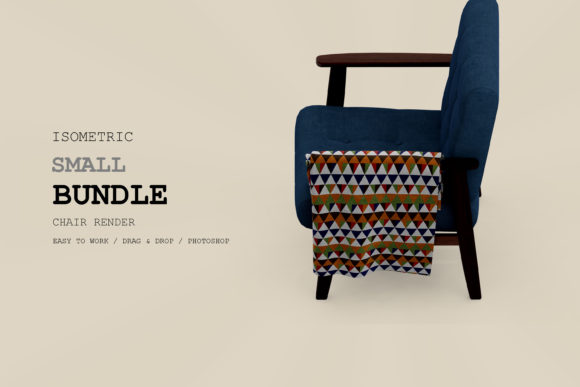
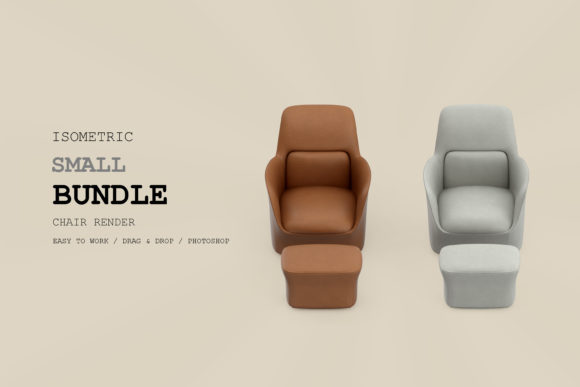
In the world of interior design, e-commerce, and digital marketing, visual clarity is everything. When you are trying to sell a piece of furniture or showcase a room layout, the way an object sits in space matters just as much as the object itself. This is where Isometric Armchair 3D Rendering Pack 36 steps in as a versatile tool for professionals and creatives alike. It isn’t just a collection of images; it is a streamlined asset designed to bridge the gap between technical precision and aesthetic appeal.
At its core, this pack provides high-quality, isolated 3D models of armchairs rendered in an isometric perspective. Unlike traditional perspective renders that can distort proportions or require complex background integration, these assets come pre-separated from their backgrounds. This separation is not merely a cosmetic choice—it is a functional advantage that saves hours of tedious editing work. Whether you are a graphic designer assembling a mood board, an architect presenting a concept, or a blogger writing about home trends, having clean, ready-to-use assets allows you to focus on the story rather than the software mechanics.
The Power of Separation and Organization
One of the most significant hurdles in using stock imagery is the "cut-out" problem. Often, you find a perfect image of a chair, but it comes with a messy white background, unwanted shadows, or transparent pixels that look jagged when placed on a colored backdrop. Isometric Armchair 3D Rendering Pack 36 addresses this head-on by offering separated backgrounds and separated shadows. This means you have full control over how the chair interacts with its environment. You can place the shadow beneath the chair to ground it in your scene, or remove it entirely for a floating, modern look often seen in minimalist web design.
Beyond the visual isolation, the technical organization of the files plays a crucial role in workflow efficiency. The pack features organized layers. For those who use Adobe Photoshop or similar design software, this is a game-changer. Instead of dealing with a flat, merged image, you receive layered files that allow for easy adjustments to color, texture, or lighting without compromising the integrity of the original render. This level of control ensures that the final output matches your specific brand guidelines or project requirements perfectly.
Real-World Applications Across Industries
While the term "3D rendering pack" might sound strictly technical, its applications are surprisingly broad and deeply practical. Let’s look at how different professionals utilize these assets in their daily workflows.
Architecture and Interior Design
Architects and interior designers constantly need to populate their 3D models with furniture to give clients a sense of scale and comfort. Using a standardized pack like this ensures consistency across multiple projects. If you are designing a living room concept, you can drop in an armchair from Pack 36, adjust its rotation, and see exactly how it fits within the isometric view of the room plan. The high resolution (DPI 300) ensures that even when printed on large format boards for client presentations, the textures remain crisp and professional. There is no pixelation, no blurriness—just clean geometry that communicates intent clearly.
E-Commerce and Digital Advertising
For online retailers, product photography is expensive and time-consuming. Shipping physical items to a studio, setting up lighting, and retouching every single angle can drain budgets quickly. Isometric renders offer a cost-effective alternative. An online furniture store can use these assets to create consistent catalog images without needing to photograph every variation of a sofa or chair. Furthermore, for social media advertisements, the isometric style is inherently engaging. It offers a playful yet structured view that captures attention in a crowded feed. The separated background allows marketers to easily animate these chairs for short video clips or GIFs, adding movement to static products.
Education and School Projects
Students in design, architecture, or graphic arts courses often struggle with the learning curve of complex 3D modeling software. While mastering Blender or Maya is valuable, sometimes the assignment is about composition and presentation, not just modeling. Providing students with pre-made, high-quality assets allows them to focus on layout, color theory, and spatial arrangement. A student working on a dorm room redesign project can use the armchair renders to experiment with different styles and colors, creating a polished final submission without getting bogged down in technical rendering errors.
Content Creation and Blogging
Digital content creators are always looking for ways to break up text-heavy articles with engaging visuals. A blog post about "Top Living Room Trends for 2024" becomes significantly more readable and attractive when it includes custom illustrations or renders rather than generic stock photos. Using the help file included in the pack, bloggers can quickly learn how to integrate these images into their WordPress or Squarespace sites. The ability to customize the shadow and background means the images can be tailored to match the website’s exact color palette, maintaining a cohesive visual identity.
Technical Specifications That Matter
When selecting digital assets, technical specs are not just jargon—they are indicators of quality and usability. Isometric Armchair 3D Rendering Pack 36 boasts a DPI of 300. In the printing world, 300 DPI is the gold standard for sharpness. This means whether you are printing a brochure, a magazine ad, or a large poster, the details of the fabric weave, the wood grain, or the metal legs will remain distinct. For web use, these high-resolution files can be downsized efficiently without losing clarity, ensuring fast load times while maintaining visual fidelity.
The inclusion of a help file is another thoughtful addition. It serves as a quick reference guide for users who may be new to handling layered PSD files or integrating 3D assets into 2D compositions. This support reduces the friction of adoption, allowing users to get value from the pack immediately without needing extensive prior knowledge of advanced compositing techniques.
Considerations for Potential Users
While the benefits are clear, it is important to approach any digital asset with a critical eye. The primary consideration is style consistency. Isometric renders have a specific geometric aesthetic that does not pair well with hyper-realistic photography in the same composition. If your project involves mixing real photos of people with 3D objects, you must ensure the lighting and shading of the renders align with the photographic elements. However, for purely illustrative or stylized projects, this limitation disappears, and the unique charm of the isometric view shines through.
Another factor is the variety within the pack. Depending on the specific contents of Pack 36, users should check if the styles of the armchairs align with their target audience. A mid-century modern armchair might be perfect for a trendy lifestyle blog but less suitable for a corporate office design firm. Reviewing the preview images before purchase or download is essential to ensure the aesthetic matches your creative vision.
Conclusion
Isometric Armchair 3D Rendering Pack 36 represents a smart investment for anyone who values efficiency and visual quality. By combining high-resolution output, organized layers, and flexible separation options, it removes the technical barriers to creating professional-grade designs. Whether you are enhancing a school project, launching a new website, or preparing a high-stakes architectural pitch, these assets provide the foundational pieces you need to build compelling visual narratives. In a digital landscape saturated with content, having tools that allow for clean, precise, and adaptable design is not just a convenience—it is a competitive advantage.