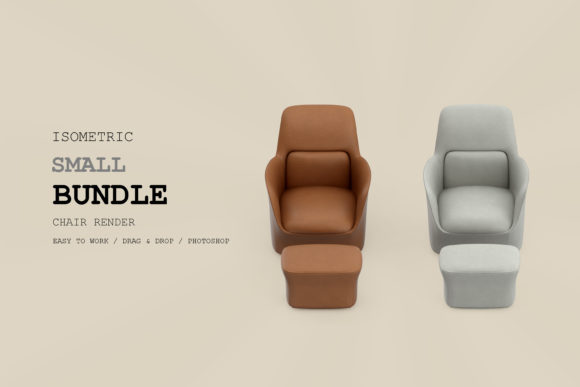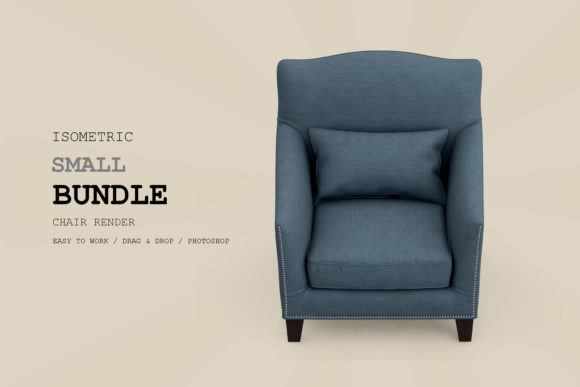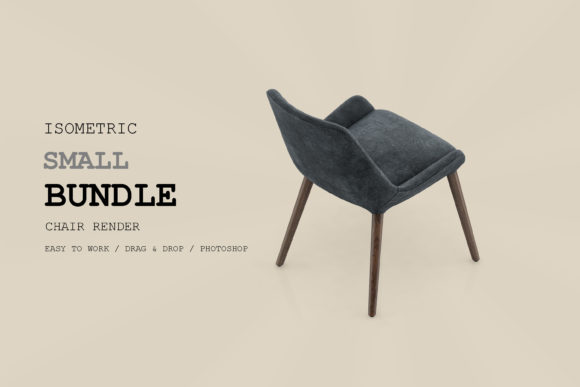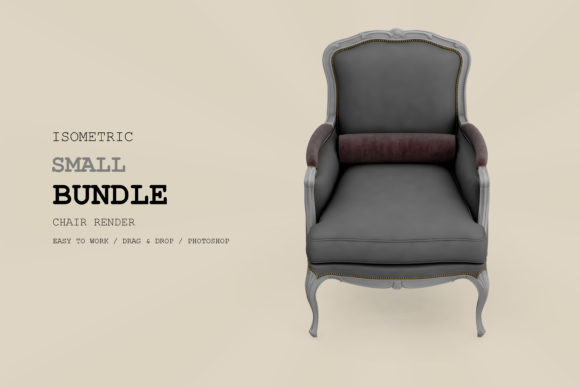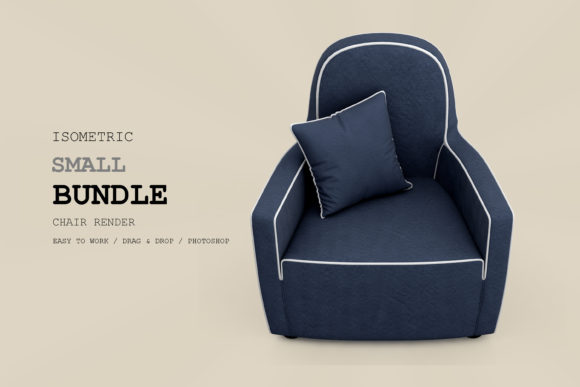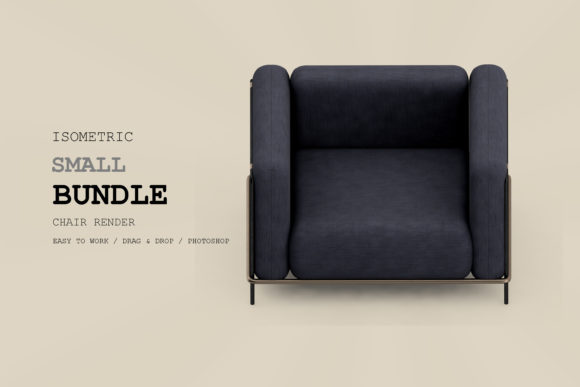
Transforming Isometric Design with Isometric Armchair 3D Rendering Pack 1
In the rapidly evolving landscape of digital design, visual clarity and aesthetic appeal are paramount. Whether you are an architect sketching out a modern living space, a marketer crafting an advertisement for furniture, or a student presenting a final project, the quality of your 3D assets can make or break your presentation. This is where specialized tools like the Isometric Armchair 3D Rendering Pack 1 step in to bridge the gap between concept and reality. It is not just about having a chair; it is about having a perfectly rendered, versatile asset that fits seamlessly into any workflow.
The demand for isometric views has surged across various industries because they offer a unique perspective that combines the depth of 3D modeling with the clean, readable layout of 2D graphics. However, finding high-quality, ready-to-use assets that require minimal post-processing can be a challenge. The Isometric Armchair 3D Rendering Pack 1 addresses this need directly, offering a comprehensive solution for designers who value efficiency without compromising on detail.
Unpacking the Features: Why Quality Matters
When evaluating a 3D rendering pack, the devil is in the details. A superficial look might suggest that all images are created equal, but experienced designers know that underlying structure determines usability. The features of the Isometric Armchair 3D Rendering Pack 1 are designed to provide maximum flexibility and professional-grade output.
Separated Backgrounds and Shadows
One of the most time-consuming tasks in graphic design is isolating subjects from their backgrounds. With the Isometric Armchair 3D Rendering Pack 1, every armchair comes with a separated background. This means you do not need to spend hours using pen tools in Photoshop to cut out the object. Furthermore, the inclusion of a separated shadow adds a layer of realism that is often overlooked. Shadows ground the object, giving it weight and presence within a scene. By keeping the shadow on a separate layer, designers have the freedom to adjust opacity, blur, and position independently, allowing the chair to blend naturally into diverse environments, from bright minimalist blogs to dark, moody architectural presentations.
High Resolution and Print Readiness
Digital screens are not the only medium where these renderings shine. Many projects still require physical output, such as brochures, posters, or exhibition boards. The pack boasts high resolution capabilities with a standard DPI 300. This ensures that when you print your designs, the lines remain crisp, textures are visible, and colors are vibrant. There is no pixelation, no blurring, and no loss of quality. For architects and interior designers who need to present tangible proposals to clients, this print-readiness is an invaluable feature.
Organized Layers and User Support
Efficiency is key in professional workflows. The organized layers within the files allow for easy editing. If you want to change the color of the fabric, adjust the lighting, or modify the texture of the wood, you can do so quickly without digging through tangled node groups. Additionally, the pack includes a help file. This might seem like a minor addition, but for users who are less familiar with advanced 3D software or complex PSD structures, having clear instructions significantly reduces the learning curve and prevents frustration.
Versatility Across Industries
The true power of the Isometric Armchair 3D Rendering Pack 1 lies in its adaptability. It is not limited to a single niche but serves as a universal tool for visual communication. Let’s explore how different professionals can leverage these assets.
Architecture and Interior Design
For architects, visualization is everything. Clients often struggle to understand blueprints, but an isometric view provides an intuitive understanding of spatial relationships. Using the armchair renders, designers can populate floor plans with realistic furniture, helping clients visualize the potential of a room. The separated shadows ensure that the furniture looks like it belongs in the space, enhancing the believability of the design proposal.
Advertising and Marketing
In the world of e-commerce and social media advertising, attention spans are short. An eye-catching isometric illustration can stop the scroll. Brands selling home decor can use these renders to showcase products in a stylized manner that stands out from standard photography. The high DPI ensures that even large-format billboards or printed catalogs look premium. The ability to easily swap backgrounds allows marketers to create multiple variations of the same ad for A/B testing, optimizing engagement rates.
Education and Academic Projects
Students in design, architecture, or marketing courses often face tight deadlines. The Isometric Armchair 3D Rendering Pack 1 offers a shortcut to professionalism. Instead of spending days modeling a simple chair, students can focus on composition, color theory, and narrative. The organized layers mean that professors can see exactly how the student manipulated the asset, providing better feedback on their design choices rather than critiquing technical modeling skills.
Blogging and Content Creation
Content creators are constantly looking for ways to enhance their posts with unique visuals. Stock photos are often overused and lack originality. By using custom isometric renders, bloggers can create branded content that is distinct and memorable. Whether writing about home office setups or luxury living trends, the armchair renders add a touch of sophistication that generic clip art cannot match.
Practical Considerations for Adoption
Before integrating the Isometric Armchair 3D Rendering Pack 1 into your workflow, it is helpful to consider a few practical aspects. First, ensure your software supports the file formats provided. Typically, these packs come in PSD (Photoshop) or AI (Illustrator) formats, which are industry standards. If you are working with other team members, compatibility is crucial to avoid version conflicts.
Secondly, think about customization. While the renders are high-quality, the beauty of vector-based or layered raster files is the ability to tweak them. Do you need a velvet texture instead of linen? Can you adjust the angle slightly? The organized layers facilitate this kind of granular control. Taking the time to learn how to navigate these layers will pay off in the long run by saving hours of manual editing.
Finally, consider the context of your project. Isometric designs work best when the surrounding elements also adhere to a consistent scale and perspective. When placing the armchair in a scene, ensure that other objects share the same isometric grid. This consistency creates a cohesive visual language that is pleasing to the eye and reinforces the professional nature of your work.
Conclusion
The Isometric Armchair 3D Rendering Pack 1 is more than just a collection of images; it is a productivity booster for anyone involved in visual design. Its combination of high resolution, separated backgrounds, and user-friendly organization makes it a standout choice for professionals and students alike. From school projects to high-stakes architectural presentations, the versatility of these renders allows creators to focus on what they do best: telling compelling visual stories. In a market saturated with generic stock imagery, investing in specialized, high-quality assets like this pack can give your work the edge it needs to stand out.