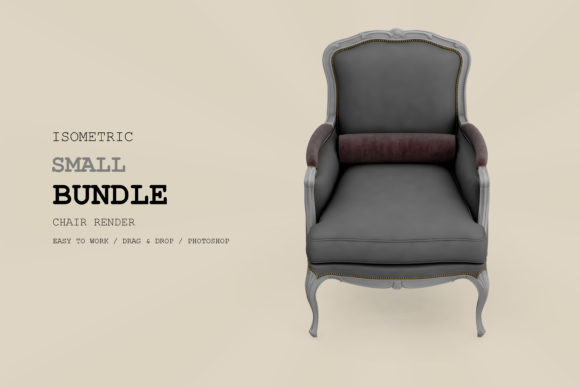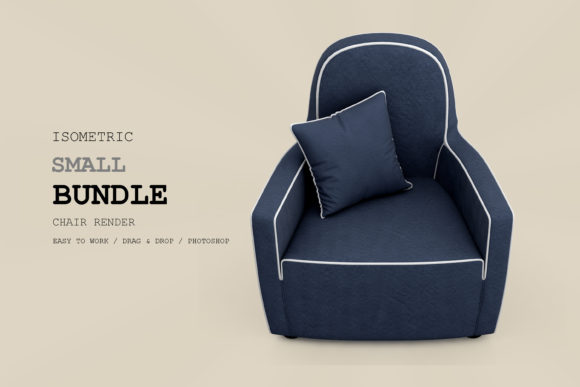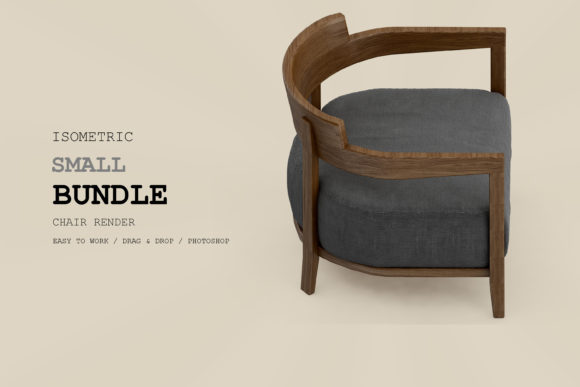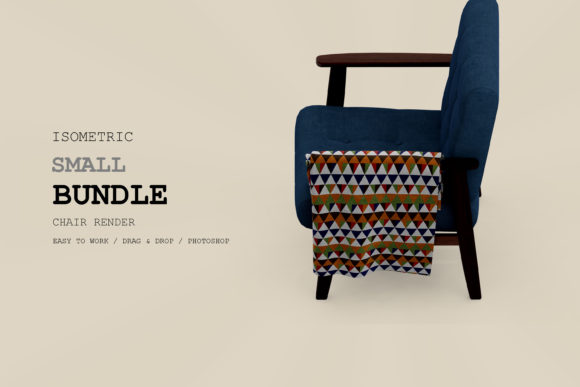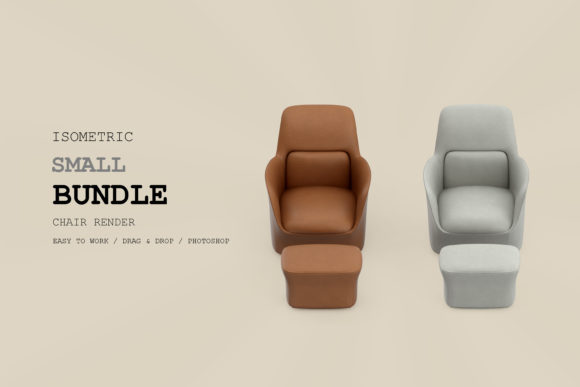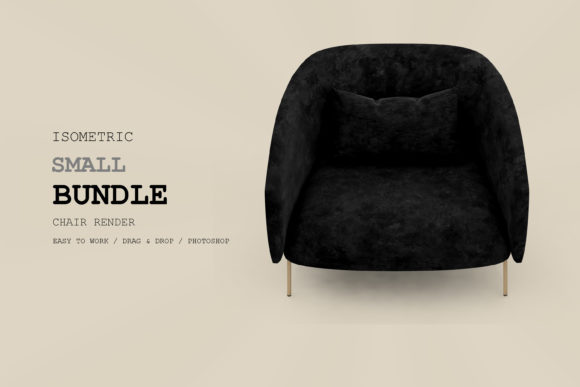
Isometric Armchair 3D Rendering Pack 18
In the modern digital landscape, visual communication is no longer just a supplementary element; it is often the primary vehicle for conveying ideas, products, and design concepts. Whether you are an interior architect presenting a mood board to a client, a marketer crafting a social media campaign, or a student working on a final thesis project, the quality and clarity of your visuals can significantly impact how your message is received. This is where specialized assets like the Isometric Armchair 3D Rendering Pack 18 become indispensable tools in a creator’s workflow.
This pack offers more than just a static image of furniture; it provides a versatile, high-fidelity asset designed to integrate seamlessly into various creative projects. By understanding the specific features and potential applications of this rendering pack, professionals and hobbyists alike can elevate their presentations, streamline their production processes, and achieve a level of polish that distinguishes their work from generic stock imagery.
Understanding the Value of Isometric Design
Before diving into the specifics of Pack 18, it is helpful to understand why isometric projection remains a preferred style in many industries. Unlike perspective views that distort objects based on distance, isometric drawings maintain parallel lines and consistent scaling across all axes. This creates a clean, technical, yet visually appealing aesthetic that is easy for viewers to interpret. It allows audiences to grasp spatial relationships quickly without the cognitive load of decoding complex vanishing points.
The Isometric Armchair 3D Rendering Pack 18 leverages this proven visual language. An armchair is a central piece of furniture in residential and commercial spaces, representing comfort, style, and functionality. By isolating this object in an isometric view, designers can focus on its form, texture, and placement within a larger environment without distraction. This makes it particularly effective for floor plans, layout diagrams, and product showcases where clarity is paramount.
Key Features That Enhance Workflow Efficiency
What sets a premium 3D rendering pack apart from free, low-quality alternatives is the attention to technical detail. The Isometric Armchair 3D Rendering Pack 18 includes several features specifically engineered to save time and improve the final output quality for users working in software such as Photoshop, Illustrator, or InDesign.
Separated Background and Shadow
One of the most tedious aspects of using 3D assets is removing unwanted backgrounds and adjusting lighting to match a new scene. This pack addresses these pain points directly by providing a separated background. This means the armchair is isolated on a transparent layer, allowing you to place it instantly onto any backdrop—be it a minimalist white canvas, a textured wooden floor, or a vibrant gradient. Furthermore, the inclusion of a separated shadow ensures that the chair appears grounded and realistic. Shadows provide depth and context, preventing the object from looking like it is floating. Having this shadow as a distinct layer gives you full control over its opacity, blur, and position, enabling you to match the lighting conditions of your specific project with precision.
High Resolution and DPI 300
Resolution is critical when determining where your design will live. Low-resolution images appear pixelated when enlarged, which can undermine the professionalism of your work. The high resolution of Pack 18 ensures crisp edges and detailed textures, even when scaled up for large-format prints. The specification of DPI 300 (dots per inch) is particularly important for print projects. Standard screen resolution is typically 72 DPI, but professional printing requires 300 DPI to ensure sharpness and color accuracy. By starting with a 300 DPI asset, you future-proof your designs, allowing them to be used interchangeably for web and print without needing to source separate files.
Organized Layers and Help File
For designers who value a clean workspace, the organized layers feature is a significant time-saver. Instead of a single flattened image, the pack likely contains grouped elements that allow for selective editing. You might be able to adjust the color of the upholstery, change the material of the legs, or tweak the intensity of the shadow independently. This flexibility supports iterative design processes where client feedback may require rapid changes. Additionally, the inclusion of a help file demonstrates a commitment to user experience. This documentation can guide you through installation, licensing, and best practices for integration, reducing the learning curve and ensuring you get the most out of the asset from day one.
Practical Applications Across Industries
The versatility of the Isometric Armchair 3D Rendering Pack 18 makes it suitable for a wide array of use cases. Here is how different professionals can leverage this asset to solve specific problems and enhance their outputs.
Architecture and Interior Design
Architects and interior designers often need to present space planning options to clients who may struggle to visualize two-dimensional floor plans. Inserting the isometric armchair into a layout diagram helps clients understand scale and flow. Because the background is separated, designers can overlay the chair onto their own CAD exports or hand-drawn sketches. The high resolution ensures that details like fabric weave or wood grain are visible, aiding in material selection discussions. This visual aid simplifies decision-making, helping clients approve layouts faster and reducing the number of revision rounds.
Marketing and Advertising
In the realm of digital marketing, attention spans are short. Eye-catching, clean graphics perform better on social media platforms like Instagram and Pinterest. The Isometric Armchair 3D Rendering Pack 18 can be used to create engaging posts for furniture brands, home decor blogs, or lifestyle influencers. The organized layers allow marketers to easily swap out colors to match seasonal trends or brand palettes. For instance, a holiday campaign might feature the armchair in festive reds, while a spring collection highlights pastels. The ability to quickly customize the asset without needing 3D modeling skills is a huge advantage for agile marketing teams.
Educational and School Projects
Students in design, architecture, or even business courses often need to create professional-looking presentations for their grades. Using high-quality 3D assets can significantly boost the perceived effort and professionalism of a school project. A student designing a hypothetical living room can use the pack to populate their renderings, demonstrating an understanding of furniture arrangement and interior styling. The help file included in the pack can also serve as a learning tool, teaching students about layer management and resolution settings, skills that are transferable to their future careers.
Blogs and Content Creation
Bloggers and content creators constantly search for unique visuals to break up text and keep readers engaged. Generic stock photos can make a blog feel impersonal or repetitive. By using the Isometric Armchair 3D Rendering Pack 18, creators can produce custom illustrations that align perfectly with their brand identity. Whether writing a review of ergonomic seating or a guide to small-space living, the isometric style adds a modern, infographic-like quality to the content. The high resolution ensures the images look great on both desktop and mobile devices, improving user experience and potentially boosting SEO metrics related to engagement.
Web Design and UI/UX
Website designers often need icons or illustrative elements that convey specific functions or themes. While an armchair might seem niche, it can be used effectively on websites for real estate agencies, rental platforms, or interior design firms. The separated background allows for easy integration into website headers, sidebars, or feature sections. The vector-like quality of isometric renders ensures they remain sharp at various sizes, which is essential for responsive web design.
Considerations for Optimal Use
While the Isometric Armchair 3D Rendering Pack 18 offers numerous benefits, it is important to use it strategically. First, consider the context of your project. If you are creating a hyper-realistic simulation, ensure that the lighting and shadows of the chair match the environment you are placing it in. Even with a separated shadow, you may need to adjust its angle to reflect the light source of your scene. Second, always respect licensing agreements. Depending on the terms provided in the help file, you may have restrictions on resale or redistribution. Ensure your intended use complies with these guidelines to avoid legal issues.
Additionally, while the organized layers offer flexibility, not all editing software supports every layer type. If you are using a basic photo editor, some advanced adjustments might be limited. In such cases, flattening the image before importing it into your main design tool can prevent compatibility issues. Always test your workflow with a copy of the asset before committing to a final design.
Conclusion
The Isometric Armchair 3D Rendering Pack 18 represents a thoughtful blend of aesthetic appeal and technical utility. Its features—ranging from separated backgrounds and shadows to high-resolution output and organized layers—are designed to meet the demands of modern creative workflows. Whether you are enhancing a school project, launching a marketing campaign, or refining an architectural proposal, this pack provides the tools necessary to communicate your vision clearly and professionally. By integrating such high-quality assets into your repertoire, you not only save time but also elevate the overall standard of your visual communications, helping you stand out in a crowded digital world.